Buy lootbox.eu ?
We are moving the project
lootbox.eu .
Are you interested in purchasing the domain
lootbox.eu ?
domain@kv-gmbh.de · 0541-91531010
Buy lootbox.eu ?
What are lipid biomembranes?
Lipid biomembranes are structures composed mainly of lipids that form the outer boundary of cells and organelles. These biomembranes are selectively permeable, allowing certain molecules to pass through while blocking others. They play a crucial role in maintaining the integrity and function of cells by regulating the transport of ions and molecules, as well as providing a platform for various cellular processes such as signaling and cell-cell interactions. Lipid biomembranes are dynamic structures that can change in composition and organization in response to environmental cues and cellular needs. **
How are membrane proteins arranged in biomembranes?
Membrane proteins are arranged in biomembranes in various ways. Some proteins are embedded within the lipid bilayer, with portions of the protein extending into both the inner and outer layers of the membrane. Other proteins are attached to the membrane surface, either on the cytoplasmic side or the extracellular side. Additionally, some proteins span the entire membrane, with portions of the protein exposed on both sides. The specific arrangement of membrane proteins is crucial for their functions, such as transport, signaling, and cell recognition. **


Similar search terms for Biomembranes
Top-Angebote
Products related to Biomembranes:
-
Inspired Finds PartyBlast Russian Roulette Balloon Surprise Game Set random ColorTurn any gathering into a laughfilled challenge with the Russian Roulette balloon game set, an interactive party tabletop game that delivers suspense and fun with every turn. Perfect for birthdays, water parties, or casual hangouts, this novelty...34,99 $*Shipping: 0,00 $Secure redirect to the provider
-
ZWYO HOSIMU "32""H Three-Tiered Wooden Shelving Unit with Ornate Iron Frame , Farmhouse Rustic Style, for Collectibles and Household Items""Introducing our 32"" Three-Tiered White Wooden Shelving Unit, a charming piece that combines rustic farmhouse style with intricate craftsmanship."471,99 $*Shipping: 0,00 $Secure redirect to the provider



-
What is the function of biomembranes?
Biomembranes serve several important functions in living organisms. They act as a barrier, separating the internal environment of the cell from the external environment, and controlling the movement of substances in and out of the cell. Biomembranes also play a role in cell recognition and communication, as they contain proteins and receptors that allow cells to interact with each other and with their environment. Additionally, biomembranes are involved in maintaining the structural integrity of cells and organelles. Overall, biomembranes are essential for the proper functioning and survival of cells and organisms. **
-
What are the difficulties in researching with biomembranes?
Researching with biomembranes presents several difficulties. Firstly, biomembranes are complex and dynamic structures, making it challenging to study their behavior and interactions with other molecules. Additionally, isolating and purifying biomembranes from living organisms can be technically demanding and time-consuming. Furthermore, biomembranes are sensitive to changes in their environment, so maintaining their natural structure and function in a laboratory setting can be difficult. Finally, the small size and fragility of biomembranes can make it challenging to manipulate and analyze them using traditional research techniques. **
-
What are the different functions of biomembranes?
Biomembranes serve several important functions in cells. They act as a barrier, regulating the passage of molecules in and out of the cell. They also provide structural support and shape to cells. Additionally, biomembranes play a crucial role in cell communication and signaling by containing receptors and other proteins that allow cells to interact with their environment. Lastly, biomembranes are involved in compartmentalization, separating different organelles within the cell and maintaining their distinct environments. **
-
Why are biomembranes more impermeable to water?
Biomembranes are more impermeable to water due to the presence of hydrophobic lipid bilayers that form the structure of the membrane. The hydrophobic tails of the lipid molecules repel water, making it difficult for water molecules to pass through the membrane. Additionally, the presence of integral membrane proteins and cholesterol further restricts the movement of water molecules across the membrane. This selective permeability allows the cell to regulate the passage of water and other molecules, maintaining internal homeostasis. **

How do transport processes occur at biomembranes?
Transport processes at biomembranes occur through various mechanisms such as passive diffusion, facilitated diffusion, and active transport. Passive diffusion involves the movement of molecules across the membrane down their concentration gradient, while facilitated diffusion involves the use of transport proteins to help molecules move across the membrane. Active transport requires the use of energy, usually in the form of ATP, to move molecules against their concentration gradient. These processes are essential for the uptake of nutrients, removal of waste products, and maintenance of cellular homeostasis. **
How do transport processes occur through biomembranes?
Transport processes occur through biomembranes via various mechanisms such as passive diffusion, facilitated diffusion, and active transport. Passive diffusion involves the movement of small, non-polar molecules across the membrane down their concentration gradient. Facilitated diffusion involves the movement of larger or polar molecules with the help of transport proteins. Active transport, on the other hand, requires energy in the form of ATP to move molecules against their concentration gradient. These transport processes are essential for maintaining the internal environment of the cell and for the uptake of nutrients and removal of waste products. **
Top-Angebote
Products related to Biomembranes:
-
Inspired Finds Crocodile Chomp Surprise Dentist Game For Kids Crocodile Chomp Surprise Dentist Game For KidsTurn giggles and squeals into the highlight of playtime with this suspensefilled crocodile teeth toy. Kids take turns pressing the crocodiles teeth one by one, never knowing which sore tooth will make the jaws snap shut. Its a simple, fastpaced...34,99 $*Shipping: 0,00 $Secure redirect to the provider
-
Inspire Daily Merch Waterproof Gold Foil Skull Poker Cards For Gambling Board Game PVC Plastic Magic Cards Flexible Washable Playing Cards Waterproof Gold Foil Skull Poker Cards For Gambling Board Game PVC Plastic Magic Cards Flexible Washable Playing CarUnleash Your Winning Hand with Gold Foil Skull Poker Cards Experience the thrill of the game with these Gold Foil Skull Poker Cards, a musthave for any poker enthusiast or board game lover. Crafted with waterproof PVC plastic, these magic cards are...49,97 $*Shipping: 0,00 $Secure redirect to the provider
-
Inspired Finds PartyBlast Russian Roulette Balloon Surprise Game Set random ColorTurn any gathering into a laughfilled challenge with the Russian Roulette balloon game set, an interactive party tabletop game that delivers suspense and fun with every turn. Perfect for birthdays, water parties, or casual hangouts, this novelty...34,99 $*Shipping: 0,00 $Secure redirect to the provider
-
ZWYO HOSIMU "32""H Three-Tiered Wooden Shelving Unit with Ornate Iron Frame , Farmhouse Rustic Style, for Collectibles and Household Items""Introducing our 32"" Three-Tiered White Wooden Shelving Unit, a charming piece that combines rustic farmhouse style with intricate craftsmanship."471,99 $*Shipping: 0,00 $Secure redirect to the provider
-
What are lipid biomembranes?
Lipid biomembranes are structures composed mainly of lipids that form the outer boundary of cells and organelles. These biomembranes are selectively permeable, allowing certain molecules to pass through while blocking others. They play a crucial role in maintaining the integrity and function of cells by regulating the transport of ions and molecules, as well as providing a platform for various cellular processes such as signaling and cell-cell interactions. Lipid biomembranes are dynamic structures that can change in composition and organization in response to environmental cues and cellular needs. **
-
How are membrane proteins arranged in biomembranes?
Membrane proteins are arranged in biomembranes in various ways. Some proteins are embedded within the lipid bilayer, with portions of the protein extending into both the inner and outer layers of the membrane. Other proteins are attached to the membrane surface, either on the cytoplasmic side or the extracellular side. Additionally, some proteins span the entire membrane, with portions of the protein exposed on both sides. The specific arrangement of membrane proteins is crucial for their functions, such as transport, signaling, and cell recognition. **
-
What is the function of biomembranes?
Biomembranes serve several important functions in living organisms. They act as a barrier, separating the internal environment of the cell from the external environment, and controlling the movement of substances in and out of the cell. Biomembranes also play a role in cell recognition and communication, as they contain proteins and receptors that allow cells to interact with each other and with their environment. Additionally, biomembranes are involved in maintaining the structural integrity of cells and organelles. Overall, biomembranes are essential for the proper functioning and survival of cells and organisms. **
-
What are the difficulties in researching with biomembranes?
Researching with biomembranes presents several difficulties. Firstly, biomembranes are complex and dynamic structures, making it challenging to study their behavior and interactions with other molecules. Additionally, isolating and purifying biomembranes from living organisms can be technically demanding and time-consuming. Furthermore, biomembranes are sensitive to changes in their environment, so maintaining their natural structure and function in a laboratory setting can be difficult. Finally, the small size and fragility of biomembranes can make it challenging to manipulate and analyze them using traditional research techniques. **
Similar search terms for Biomembranes
-
Anker Member Gift Card RewardsWide Variety: Choose from a range of designs to find a gift card for any occasion. Convenient and Fast: After placing an order, gift cards can be sent to relatives and friends immediately by email. Easy to Use: Just use the gift card code at...20,00 $*Shipping: 0,00 $Secure redirect to the provider
-
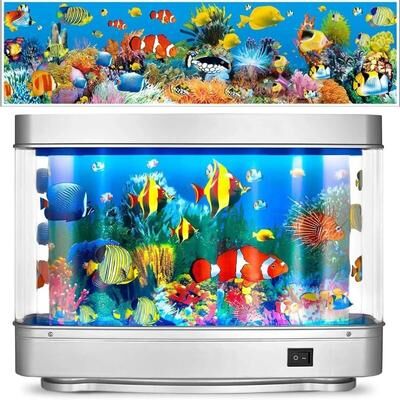
Uplift Essentials Virtual Motion Ocean Aquarium Lamp Virtual Motion Ocean Aquarium Lamp"Experience the tranquil beauty of the deep blue without the maintenance of a real tank with the Virtual Motion Ocean Aquarium Lamp. This creative decorative piece uses highdefinition ""moving picture"" technology to simulate a vibrant tropical reef,..."79,97 $*Shipping: 0,00 $Secure redirect to the provider
-
What are the different functions of biomembranes?
Biomembranes serve several important functions in cells. They act as a barrier, regulating the passage of molecules in and out of the cell. They also provide structural support and shape to cells. Additionally, biomembranes play a crucial role in cell communication and signaling by containing receptors and other proteins that allow cells to interact with their environment. Lastly, biomembranes are involved in compartmentalization, separating different organelles within the cell and maintaining their distinct environments. **
-
Why are biomembranes more impermeable to water?
Biomembranes are more impermeable to water due to the presence of hydrophobic lipid bilayers that form the structure of the membrane. The hydrophobic tails of the lipid molecules repel water, making it difficult for water molecules to pass through the membrane. Additionally, the presence of integral membrane proteins and cholesterol further restricts the movement of water molecules across the membrane. This selective permeability allows the cell to regulate the passage of water and other molecules, maintaining internal homeostasis. **
-
How do transport processes occur at biomembranes?
Transport processes at biomembranes occur through various mechanisms such as passive diffusion, facilitated diffusion, and active transport. Passive diffusion involves the movement of molecules across the membrane down their concentration gradient, while facilitated diffusion involves the use of transport proteins to help molecules move across the membrane. Active transport requires the use of energy, usually in the form of ATP, to move molecules against their concentration gradient. These processes are essential for the uptake of nutrients, removal of waste products, and maintenance of cellular homeostasis. **
-
How do transport processes occur through biomembranes?
Transport processes occur through biomembranes via various mechanisms such as passive diffusion, facilitated diffusion, and active transport. Passive diffusion involves the movement of small, non-polar molecules across the membrane down their concentration gradient. Facilitated diffusion involves the movement of larger or polar molecules with the help of transport proteins. Active transport, on the other hand, requires energy in the form of ATP to move molecules against their concentration gradient. These transport processes are essential for maintaining the internal environment of the cell and for the uptake of nutrients and removal of waste products. **
* All prices are inclusive of VAT and, if applicable, plus shipping costs. The offer information is based on the details provided by the respective shop and is updated through automated processes. Real-time updates do not occur, so deviations can occur in individual cases. ** Note: Parts of this content were created by AI.