Buy lootbox.eu ?
We are moving the project
lootbox.eu .
Are you interested in purchasing the domain
lootbox.eu ?
domain@kv-gmbh.de · 0541-91531010
Buy lootbox.eu ?
What is the syntax for a constructor within a constructor in Java?
In Java, a constructor within a constructor is achieved using the keyword `this`. To call one constructor from another within the same class, you use `this()` followed by the necessary arguments. This allows you to avoid code duplication and initialize the object with different constructors based on the provided arguments. This syntax is commonly used to provide multiple ways to initialize an object within a class. **
How can one use the copy constructor in Java to utilize another constructor?
In Java, the copy constructor can be used to create a new object by copying the values of an existing object. To utilize another constructor within the copy constructor, you can call the constructor of the class using the 'this' keyword followed by the parameters required by the constructor. This allows you to initialize the new object with the values of the existing object, while also utilizing the logic defined in the other constructor. **


Similar search terms for Constructor
Top-Angebote
Products related to Constructor:
-
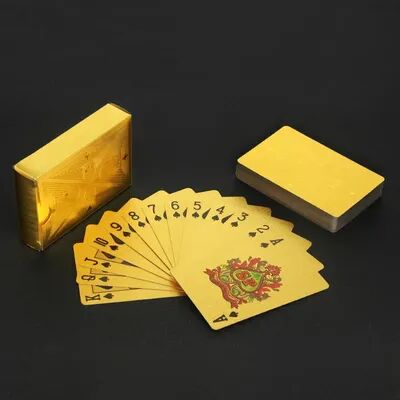
Inspire Daily Merch Waterproof Gold Foil Skull Poker Cards For Gambling Board Game PVC Plastic Magic Cards Flexible Washable Playing Cards Waterproof Gold Foil Skull Poker Cards For Gambling Board Game PVC Plastic Magic Cards Flexible Washable Playing CarUnleash Your Winning Hand with Gold Foil Skull Poker Cards Experience the thrill of the game with these Gold Foil Skull Poker Cards, a musthave for any poker enthusiast or board game lover. Crafted with waterproof PVC plastic, these magic cards are...49,97 $*Shipping: 0,00 $Secure redirect to the provider
-
Inspired Finds PartyBlast Russian Roulette Balloon Surprise Game Set random ColorTurn any gathering into a laughfilled challenge with the Russian Roulette balloon game set, an interactive party tabletop game that delivers suspense and fun with every turn. Perfect for birthdays, water parties, or casual hangouts, this novelty...34,99 $*Shipping: 0,00 $Secure redirect to the provider
-
ZWYO HOSIMU "32""H Three-Tiered Wooden Shelving Unit with Ornate Iron Frame , Farmhouse Rustic Style, for Collectibles and Household Items""Introducing our 32"" Three-Tiered White Wooden Shelving Unit, a charming piece that combines rustic farmhouse style with intricate craftsmanship."471,99 $*Shipping: 0,00 $Secure redirect to the provider



-
How can you use the copy constructor in Java to utilize another constructor?
In Java, you can use the copy constructor to utilize another constructor by creating a new object that is a copy of an existing object. This involves passing an instance of the existing object as a parameter to the copy constructor, which then initializes the new object with the same values as the existing object. By doing this, you can easily create new objects with the same state as an existing object without having to manually set each field individually. **
-
How can one use the copy constructor in Java to call another constructor?
In Java, the copy constructor can be used to call another constructor by passing an object of the same class as a parameter to the copy constructor. Inside the copy constructor, the values of the fields of the passed object can be copied to the current object using the `this` keyword. By doing this, the copy constructor essentially initializes the current object with the values of another object, effectively calling another constructor in the process. This can be useful when creating a new object with the same values as an existing object. **
-
How does the constructor work in Java?
In Java, a constructor is a special type of method that is used to initialize objects. It is called when an object of a class is created. The constructor has the same name as the class and does not have a return type. It can take parameters to initialize the object's state. When an object is created using the `new` keyword, the constructor is automatically called to initialize the object's state. If a class does not have a constructor, Java provides a default constructor with no parameters. **
-
What is a constructor with parameters in Java?
A constructor with parameters in Java is a special type of method that is used to initialize objects of a class. It accepts parameters when creating an object and assigns those values to the instance variables of the object. This allows for more flexibility and customization when creating objects, as different values can be passed to the constructor to create objects with different initial states. **


What is a constructor injection in Java Spring?
Constructor injection in Java Spring is a method of injecting dependencies into a class through its constructor. This means that when an instance of the class is created, the required dependencies are passed in as arguments to the constructor. This approach ensures that the class has all the necessary dependencies at the time of creation, making the code more modular and easier to test. Constructor injection is considered a best practice in Spring as it promotes loose coupling and helps in achieving better maintainability and flexibility in the codebase. **
What is the definition of a constructor?
A constructor is a special type of method in object-oriented programming that is used to initialize objects of a class. It is called when an object is created, and its main purpose is to set initial values for the object's attributes. Constructors typically have the same name as the class they belong to and do not have a return type. **
Top-Angebote
Products related to Constructor:
-
NCAA Southeastern Constructor Oversized Beach TowelMake a bold statement at the beach or pool with the NCAA “Constructor” Beach Towel—features a striking all-over patchwork design filled with tribal-inspired patterns, oversized team logos, and school name for a head-turning look full of spirit.22,99 $*Shipping: 0,00 $Secure redirect to the provider
-
Inspired Finds Crocodile Chomp Surprise Dentist Game For Kids Crocodile Chomp Surprise Dentist Game For KidsTurn giggles and squeals into the highlight of playtime with this suspensefilled crocodile teeth toy. Kids take turns pressing the crocodiles teeth one by one, never knowing which sore tooth will make the jaws snap shut. Its a simple, fastpaced...34,99 $*Shipping: 0,00 $Secure redirect to the provider
-
Inspire Daily Merch Waterproof Gold Foil Skull Poker Cards For Gambling Board Game PVC Plastic Magic Cards Flexible Washable Playing Cards Waterproof Gold Foil Skull Poker Cards For Gambling Board Game PVC Plastic Magic Cards Flexible Washable Playing CarUnleash Your Winning Hand with Gold Foil Skull Poker Cards Experience the thrill of the game with these Gold Foil Skull Poker Cards, a musthave for any poker enthusiast or board game lover. Crafted with waterproof PVC plastic, these magic cards are...49,97 $*Shipping: 0,00 $Secure redirect to the provider
-
What is the syntax for a constructor within a constructor in Java?
In Java, a constructor within a constructor is achieved using the keyword `this`. To call one constructor from another within the same class, you use `this()` followed by the necessary arguments. This allows you to avoid code duplication and initialize the object with different constructors based on the provided arguments. This syntax is commonly used to provide multiple ways to initialize an object within a class. **
-
How can one use the copy constructor in Java to utilize another constructor?
In Java, the copy constructor can be used to create a new object by copying the values of an existing object. To utilize another constructor within the copy constructor, you can call the constructor of the class using the 'this' keyword followed by the parameters required by the constructor. This allows you to initialize the new object with the values of the existing object, while also utilizing the logic defined in the other constructor. **
-
How can you use the copy constructor in Java to utilize another constructor?
In Java, you can use the copy constructor to utilize another constructor by creating a new object that is a copy of an existing object. This involves passing an instance of the existing object as a parameter to the copy constructor, which then initializes the new object with the same values as the existing object. By doing this, you can easily create new objects with the same state as an existing object without having to manually set each field individually. **
-
How can one use the copy constructor in Java to call another constructor?
In Java, the copy constructor can be used to call another constructor by passing an object of the same class as a parameter to the copy constructor. Inside the copy constructor, the values of the fields of the passed object can be copied to the current object using the `this` keyword. By doing this, the copy constructor essentially initializes the current object with the values of another object, effectively calling another constructor in the process. This can be useful when creating a new object with the same values as an existing object. **
Similar search terms for Constructor
-
Inspired Finds PartyBlast Russian Roulette Balloon Surprise Game Set random ColorTurn any gathering into a laughfilled challenge with the Russian Roulette balloon game set, an interactive party tabletop game that delivers suspense and fun with every turn. Perfect for birthdays, water parties, or casual hangouts, this novelty...34,99 $*Shipping: 0,00 $Secure redirect to the provider
-
ZWYO HOSIMU "32""H Three-Tiered Wooden Shelving Unit with Ornate Iron Frame , Farmhouse Rustic Style, for Collectibles and Household Items""Introducing our 32"" Three-Tiered White Wooden Shelving Unit, a charming piece that combines rustic farmhouse style with intricate craftsmanship."471,99 $*Shipping: 0,00 $Secure redirect to the provider
-
Anker Member Gift Card RewardsWide Variety: Choose from a range of designs to find a gift card for any occasion. Convenient and Fast: After placing an order, gift cards can be sent to relatives and friends immediately by email. Easy to Use: Just use the gift card code at...20,00 $*Shipping: 0,00 $Secure redirect to the provider
-
How does the constructor work in Java?
In Java, a constructor is a special type of method that is used to initialize objects. It is called when an object of a class is created. The constructor has the same name as the class and does not have a return type. It can take parameters to initialize the object's state. When an object is created using the `new` keyword, the constructor is automatically called to initialize the object's state. If a class does not have a constructor, Java provides a default constructor with no parameters. **
-
What is a constructor with parameters in Java?
A constructor with parameters in Java is a special type of method that is used to initialize objects of a class. It accepts parameters when creating an object and assigns those values to the instance variables of the object. This allows for more flexibility and customization when creating objects, as different values can be passed to the constructor to create objects with different initial states. **
-
What is a constructor injection in Java Spring?
Constructor injection in Java Spring is a method of injecting dependencies into a class through its constructor. This means that when an instance of the class is created, the required dependencies are passed in as arguments to the constructor. This approach ensures that the class has all the necessary dependencies at the time of creation, making the code more modular and easier to test. Constructor injection is considered a best practice in Spring as it promotes loose coupling and helps in achieving better maintainability and flexibility in the codebase. **
-
What is the definition of a constructor?
A constructor is a special type of method in object-oriented programming that is used to initialize objects of a class. It is called when an object is created, and its main purpose is to set initial values for the object's attributes. Constructors typically have the same name as the class they belong to and do not have a return type. **
* All prices are inclusive of VAT and, if applicable, plus shipping costs. The offer information is based on the details provided by the respective shop and is updated through automated processes. Real-time updates do not occur, so deviations can occur in individual cases. ** Note: Parts of this content were created by AI.