Buy lootbox.eu ?
We are moving the project
lootbox.eu .
Are you interested in purchasing the domain
lootbox.eu ?
domain@kv-gmbh.de · 0541-91531010
Buy lootbox.eu ?
What does longitudinal thrust and lateral thrust mean in the construction industry?
Longitudinal thrust in the construction industry refers to the force exerted along the length of a structure, such as a bridge or retaining wall, which helps to resist horizontal movement. Lateral thrust, on the other hand, is the force exerted perpendicular to the length of a structure, which helps to resist overturning or sliding. Both longitudinal and lateral thrust are important considerations in the design and construction of structures to ensure stability and safety. **
What is thrust in physics?
Thrust in physics refers to the force exerted by a propulsion system to move an object in the opposite direction. It is commonly associated with the propulsion of rockets, airplanes, and other vehicles. Thrust is generated by expelling mass at high velocity, according to Newton's third law of motion, which states that for every action, there is an equal and opposite reaction. In the context of rocket propulsion, thrust is crucial for achieving lift-off and accelerating the rocket into space. **

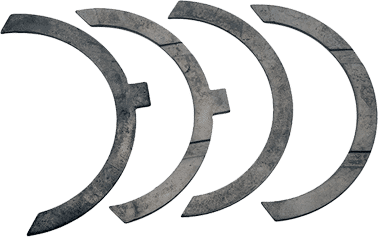
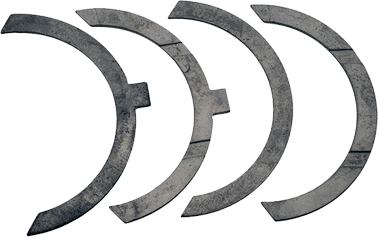
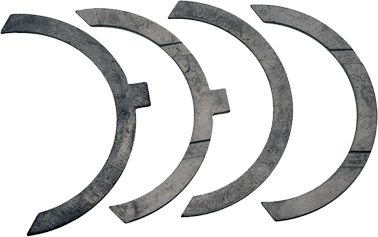
Similar search terms for JAPKO-92405A-Thrust-Washer
Top-Angebote
Products related to JAPKO-92405A-Thrust-Washer:
-
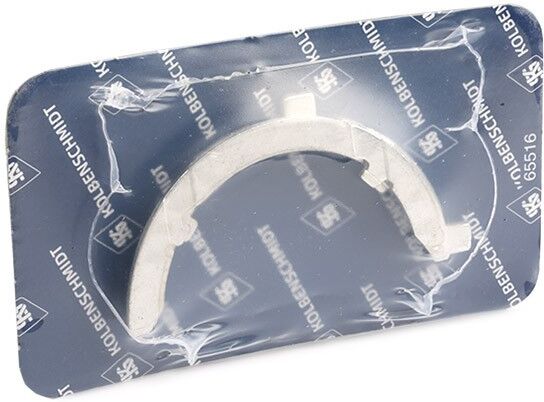
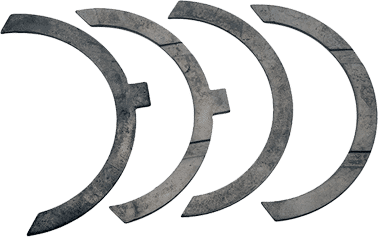
KOLBENSCHMIDT 78662600 Thrust Washer, crankshaftComponent Number: 74307600, 74308600; Standard Size [STD]: ; Quantity Unit: Pair; Inmetro certified: ; TecDoc Engine Number: 2061, 2064, 4655, 5050, 4653, 2086, 4657, 2093, 2094, 2092, 2097, 2206, 2211, 2216, 2069, 2063, 2082, 2065, 2078, 4656, 2098, 9435, 2099, 9437, 2104, 2207, 2212, 2229, 2217, 2218, 2219, 2230, 2221, 2223, 2132, 2134, 2107, 2110, 2114, 2096, 9436, 9444, 2081, 2089, 2083, 2091, 2226, 2072, 2210, 2215, 2070, 2108, 2103, 2111, 2113, 2193, 11249, 17724, 2105, 2054, 2220, 2225, 2109, 11250, 2112, 2192, 2208, 2227, 2228, 2131, 5235, 2135, 2106, 8942, 22700, 2133, 5236, 9434, 9439, 11251, 5400, 8032, 17850, 5241, 4676, 4678, 4660, 4680, 4664, 4658, 4667, 4662, 4679, 5398, 4674, 22702, 5399, 4675, 9423, 9357, 17543, 5238, 4666, 4677, 9425, 4663, 4665, 4661, 22703, 4668, 15455, 2213, 9416, 3612, 9374, 5544, 9892, 5397, 2214, 9424, 9419, 12910, 9529, 10948, 22101, 17005, 20334, 14350, 26690, 22990, 22989, 22988, 26691, 9422, 15454, 17009, 22920, 21112, 22919, 22918, 22917, 22916, 22915, 22914, 22911, 22912, 22909, 15461, 14749, 14750, 17002, 14751, 15449, 15451, 17730, 17729, 17731, 21142, 16488, 16884, 15456, 17177, 17542, 21145, 17007, 17008, 17323, 26680, 18129, 17187, 17544, 17328, 18289, 24573, 20921, 22844, 22140, 20730, 23620, 23618, 26257, 20362, 20984, 26679, 19478, 19459, 20447, 19845, 19846, 20360, 22694, 21373, 32464, 2080, 2071, 8041, 5682, 6020, 2209, 2222, 34997, 16895, 17723, 17725, 22921, 17818, 8014, 14670, 14672, 8013, 16185, 25649, 17819, 1782214,49 £*Shipping: 8,45 £Secure redirect to the provider
-
What is the thrust in space?
Thrust in space is the force that propels a spacecraft forward. It is generated by the expulsion of mass from the spacecraft's engines at high velocity, according to Newton's third law of motion. In space, there is no air or other medium to provide resistance, so the thrust from the spacecraft's engines is the only force acting on it, allowing it to accelerate and change its velocity. The amount of thrust needed depends on the mass of the spacecraft and the desired acceleration. **
-
What does longitudinal thrust mean and what does lateral thrust mean in the construction industry?
Longitudinal thrust in the construction industry refers to the force exerted along the length of a structure, such as a bridge or a retaining wall. This force is typically caused by the weight of the structure and the loads it supports, and it must be carefully managed to ensure the stability and integrity of the construction. Lateral thrust, on the other hand, refers to the force exerted perpendicular to the length of a structure. This force can be caused by external factors such as wind or seismic activity, and it must also be accounted for in the design and construction of the structure to prevent instability or failure. **
-
How do you calculate thrust?
Thrust can be calculated using the equation: Thrust = mass flow rate * exhaust velocity + (pressure difference * nozzle area). The mass flow rate is the amount of mass passing through the engine per unit time, and the exhaust velocity is the speed at which the exhaust gases leave the engine. The pressure difference is the difference in pressure between the inlet and outlet of the engine, and the nozzle area is the cross-sectional area of the engine's nozzle. By plugging in the values for these parameters, one can calculate the thrust generated by the engine. **
-
'Reverse thrust question for FSX'
In FSX, reverse thrust can be activated by pressing the F2 key on your keyboard. This will engage the reverse thrust on your aircraft's engines, allowing you to slow down and come to a stop more quickly after landing. It's important to use reverse thrust carefully and only when necessary, as it can put a lot of strain on the engines. Additionally, be sure to check the specific procedures for reverse thrust in the aircraft's operating manual to ensure safe and proper use. **


How does reverse thrust work in airplanes?
Reverse thrust in airplanes is achieved by redirecting the flow of engine exhaust forward instead of backward. This is typically done by deploying blocker doors or clamshell doors in the engine nacelles, which temporarily change the direction of the exhaust. When reverse thrust is engaged, the redirected exhaust creates a braking effect, helping the airplane to slow down after landing. This is especially useful in reducing the landing distance on shorter runways. Reverse thrust is typically used in combination with wheel brakes to bring the airplane to a stop. **
What is the thrust reverse in FSX?
In FSX, thrust reverse is a feature that allows the engines of an aircraft to redirect their thrust forward upon landing. This helps to slow down the aircraft quickly and efficiently by creating a reverse thrust force. Pilots can engage thrust reverse after touchdown to assist with braking and deceleration on the runway, especially in situations where a shorter stopping distance is required. It is an important tool for safe and effective landings in flight simulation. **
Top-Angebote
Products related to JAPKO-92405A-Thrust-Washer:
-
KOLBENSCHMIDT 78662600 Thrust Washer, crankshaftComponent Number: 74307600, 74308600; Standard Size [STD]: ; Quantity Unit: Pair; Inmetro certified: ; TecDoc Engine Number: 2061, 2064, 4655, 5050, 4653, 2086, 4657, 2093, 2094, 2092, 2097, 2206, 2211, 2216, 2069, 2063, 2082, 2065, 2078, 4656, 2098, 9435, 2099, 9437, 2104, 2207, 2212, 2229, 2217, 2218, 2219, 2230, 2221, 2223, 2132, 2134, 2107, 2110, 2114, 2096, 9436, 9444, 2081, 2089, 2083, 2091, 2226, 2072, 2210, 2215, 2070, 2108, 2103, 2111, 2113, 2193, 11249, 17724, 2105, 2054, 2220, 2225, 2109, 11250, 2112, 2192, 2208, 2227, 2228, 2131, 5235, 2135, 2106, 8942, 22700, 2133, 5236, 9434, 9439, 11251, 5400, 8032, 17850, 5241, 4676, 4678, 4660, 4680, 4664, 4658, 4667, 4662, 4679, 5398, 4674, 22702, 5399, 4675, 9423, 9357, 17543, 5238, 4666, 4677, 9425, 4663, 4665, 4661, 22703, 4668, 15455, 2213, 9416, 3612, 9374, 5544, 9892, 5397, 2214, 9424, 9419, 12910, 9529, 10948, 22101, 17005, 20334, 14350, 26690, 22990, 22989, 22988, 26691, 9422, 15454, 17009, 22920, 21112, 22919, 22918, 22917, 22916, 22915, 22914, 22911, 22912, 22909, 15461, 14749, 14750, 17002, 14751, 15449, 15451, 17730, 17729, 17731, 21142, 16488, 16884, 15456, 17177, 17542, 21145, 17007, 17008, 17323, 26680, 18129, 17187, 17544, 17328, 18289, 24573, 20921, 22844, 22140, 20730, 23620, 23618, 26257, 20362, 20984, 26679, 19478, 19459, 20447, 19845, 19846, 20360, 22694, 21373, 32464, 2080, 2071, 8041, 5682, 6020, 2209, 2222, 34997, 16895, 17723, 17725, 22921, 17818, 8014, 14670, 14672, 8013, 16185, 25649, 17819, 1782214,49 £*Shipping: 8,45 £Secure redirect to the provider
-
What does longitudinal thrust and lateral thrust mean in the construction industry?
Longitudinal thrust in the construction industry refers to the force exerted along the length of a structure, such as a bridge or retaining wall, which helps to resist horizontal movement. Lateral thrust, on the other hand, is the force exerted perpendicular to the length of a structure, which helps to resist overturning or sliding. Both longitudinal and lateral thrust are important considerations in the design and construction of structures to ensure stability and safety. **
-
What is thrust in physics?
Thrust in physics refers to the force exerted by a propulsion system to move an object in the opposite direction. It is commonly associated with the propulsion of rockets, airplanes, and other vehicles. Thrust is generated by expelling mass at high velocity, according to Newton's third law of motion, which states that for every action, there is an equal and opposite reaction. In the context of rocket propulsion, thrust is crucial for achieving lift-off and accelerating the rocket into space. **
-
What is the thrust in space?
Thrust in space is the force that propels a spacecraft forward. It is generated by the expulsion of mass from the spacecraft's engines at high velocity, according to Newton's third law of motion. In space, there is no air or other medium to provide resistance, so the thrust from the spacecraft's engines is the only force acting on it, allowing it to accelerate and change its velocity. The amount of thrust needed depends on the mass of the spacecraft and the desired acceleration. **
-
What does longitudinal thrust mean and what does lateral thrust mean in the construction industry?
Longitudinal thrust in the construction industry refers to the force exerted along the length of a structure, such as a bridge or a retaining wall. This force is typically caused by the weight of the structure and the loads it supports, and it must be carefully managed to ensure the stability and integrity of the construction. Lateral thrust, on the other hand, refers to the force exerted perpendicular to the length of a structure. This force can be caused by external factors such as wind or seismic activity, and it must also be accounted for in the design and construction of the structure to prevent instability or failure. **
Similar search terms for JAPKO-92405A-Thrust-Washer
-
KOLBENSCHMIDT 79359600 Thrust Washer, crankshaftComponent Number: 72772600; Standard Size [STD]: ; Quantity Unit: Pair; TecDoc Engine Number: 23521, 23743, 24579, 25693, 22179, 26066, 26067, 4876, 4877, 4879, 25691, 21133, 25692, 4878, 24780, 28005, 34129, 24783, 31046, 24785, 28610, 31672, 32710, 26246, 28220, 32894, 32895, 24779, 18536, 18538, 23549, 20941, 20831, 14332, 14333, 20918, 11567, 16345, 18445, 19674, 19675, 20913, 20914, 18537, 26080, 21171, 20446, 26810, 16269, 16270, 18139, 31620, 29420, 31623, 32976, 26258, 27682, 34237, 35716, 20830, 23535, 29685, 23877, 31619, 13308, 13309, 16346, 21163, 21193, 21194, 13310, 16349, 16342, 23534, 23897, 16219, 24876, 37631, 14330, 14331, 16214, 21164, 19672, 19673, 20907, 16343, 16344, 16370, 17489, 17494, 21195, 17488, 16531, 16532, 16534, 17660, 20971, 18302, 18303, 18422, 20706, 20707, 20910, 18419, 21367, 20895, 18534, 18535, 18898, 18899, 21135, 18141, 18533, 21200, 20988, 20829, 22192, 18514, 21173, 18532, 31279, 21368, 20974, 24675, 33836, 19223, 24900, 26291, 20817, 27990, 22191, 23581, 22193, 24967, 20832, 33676, 21201, 22403, 20915, 21439, 22187, 23898, 21134, 26816, 21202, 29265, 31423, 23742, 39775, 21398, 31047, 29422, 31622, 26811, 35586, 37036, 28611, 33761, 33762, 35741, 20916, 27683, 31425, 34836, 20917, 32139, 32417, 38617, 33638, 29537, 29780, 21438, 23795, 32413, 32414, 37649, 30432, 36614, 36912, 34471, 27697, 23533, 34236, 34472, 34473, 20911, 34673, 39188, 38612, 38613, 38614, 38615, 35125, 35726, 35565, 35383, 35839, 35840, 38785, 38440, 36184, 38786, 387877,59 £*Shipping: 8,45 £Secure redirect to the provider
-
How do you calculate thrust?
Thrust can be calculated using the equation: Thrust = mass flow rate * exhaust velocity + (pressure difference * nozzle area). The mass flow rate is the amount of mass passing through the engine per unit time, and the exhaust velocity is the speed at which the exhaust gases leave the engine. The pressure difference is the difference in pressure between the inlet and outlet of the engine, and the nozzle area is the cross-sectional area of the engine's nozzle. By plugging in the values for these parameters, one can calculate the thrust generated by the engine. **
-
'Reverse thrust question for FSX'
In FSX, reverse thrust can be activated by pressing the F2 key on your keyboard. This will engage the reverse thrust on your aircraft's engines, allowing you to slow down and come to a stop more quickly after landing. It's important to use reverse thrust carefully and only when necessary, as it can put a lot of strain on the engines. Additionally, be sure to check the specific procedures for reverse thrust in the aircraft's operating manual to ensure safe and proper use. **
-
How does reverse thrust work in airplanes?
Reverse thrust in airplanes is achieved by redirecting the flow of engine exhaust forward instead of backward. This is typically done by deploying blocker doors or clamshell doors in the engine nacelles, which temporarily change the direction of the exhaust. When reverse thrust is engaged, the redirected exhaust creates a braking effect, helping the airplane to slow down after landing. This is especially useful in reducing the landing distance on shorter runways. Reverse thrust is typically used in combination with wheel brakes to bring the airplane to a stop. **
-
What is the thrust reverse in FSX?
In FSX, thrust reverse is a feature that allows the engines of an aircraft to redirect their thrust forward upon landing. This helps to slow down the aircraft quickly and efficiently by creating a reverse thrust force. Pilots can engage thrust reverse after touchdown to assist with braking and deceleration on the runway, especially in situations where a shorter stopping distance is required. It is an important tool for safe and effective landings in flight simulation. **
* All prices are inclusive of VAT and, if applicable, plus shipping costs. The offer information is based on the details provided by the respective shop and is updated through automated processes. Real-time updates do not occur, so deviations can occur in individual cases. ** Note: Parts of this content were created by AI.