Buy lootbox.eu ?
We are moving the project
lootbox.eu .
Are you interested in purchasing the domain
lootbox.eu ?
domain@kv-gmbh.de · 0541-91531010
Buy lootbox.eu ?
What is JPanel used for in Java?
JPanel is a Swing component in Java that is used to group and organize other components, such as buttons, labels, text fields, etc., within a container. It provides a way to manage the layout of these components and customize their appearance. JPanel is commonly used to create panels or sections within a graphical user interface, allowing for better organization and structure of the user interface components. **
How do I update a JPanel?
To update a JPanel, you can call the `repaint()` method on the panel. This will schedule a call to the panel's `paintComponent()` method, which will then redraw the panel. If you need to update the contents of the panel, you can modify the data that the panel uses to render itself, and then call `repaint()` to trigger a redraw. Additionally, you can also call `revalidate()` on the panel if you have added or removed components from it, to ensure that the layout is updated correctly. **

Similar search terms for JPanel
Top-Angebote
Products related to JPanel:
-
Inspired Finds PartyBlast Russian Roulette Balloon Surprise Game Set random ColorTurn any gathering into a laughfilled challenge with the Russian Roulette balloon game set, an interactive party tabletop game that delivers suspense and fun with every turn. Perfect for birthdays, water parties, or casual hangouts, this novelty...34,99 $*Shipping: 0,00 $Secure redirect to the provider
-
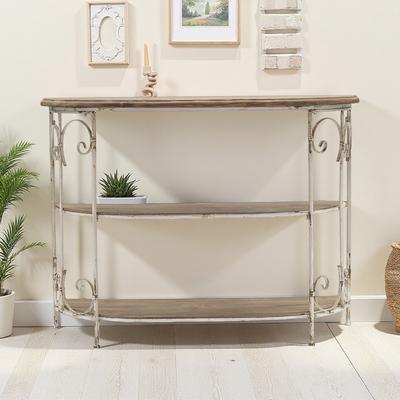
ZWYO HOSIMU "32""H Three-Tiered Wooden Shelving Unit with Ornate Iron Frame , Farmhouse Rustic Style, for Collectibles and Household Items""Introducing our 32"" Three-Tiered White Wooden Shelving Unit, a charming piece that combines rustic farmhouse style with intricate craftsmanship."471,99 $*Shipping: 0,00 $Secure redirect to the provider

-
How do I position an image in a JPanel?
To position an image in a JPanel, you can use a layout manager such as BorderLayout, FlowLayout, or GridBagLayout to control the position of the image within the panel. You can also set the preferred size of the image using the setPreferredSize() method and then add the image to the panel using the add() method. Additionally, you can use the setBounds() method to specify the exact position and size of the image within the panel. **
-
What is the purpose of using JPanel in Java?
The purpose of using JPanel in Java is to provide a container for organizing and grouping components within a graphical user interface. It allows for the creation of complex layouts by adding and arranging various components such as buttons, labels, text fields, and other GUI elements. JPanel also enables the creation of custom components and provides a way to manage their appearance and behavior. Overall, JPanel helps in creating a more organized and visually appealing user interface for Java applications. **
-
What is a background image for a JPanel?
A background image for a JPanel is an image that is displayed behind the components of the JPanel. It can be used to enhance the visual appearance of the panel and create a more immersive user interface. The background image can be set using the setOpaque(false) method to make the panel transparent and then adding the image as the background using the setIcon() method of a JLabel. This allows for customization and personalization of the JPanel to better suit the application's design. **
-
How do you create a JPanel with Eclipse?
To create a JPanel with Eclipse, you can follow these steps: 1. Open Eclipse and create a new Java project. 2. Right-click on the src folder in the project explorer and select New -> Class. 3. In the New Java Class dialog, give your class a name and check the box that says "public static void main(String[] args)". 4. Click Finish to create the class. Inside the class, you can create a JPanel object by importing javax.swing.JPanel and instantiating it in the main method. 5. You can then add components to the JPanel and customize its appearance as needed. **

How do I remove a JPanel from a JFrame in a 2D tile game in Java?
To remove a JPanel from a JFrame in a 2D tile game in Java, you can use the `remove()` method of the JFrame class. First, you need to get a reference to the JPanel you want to remove by calling `getContentPane()` on the JFrame and then calling `remove()` on the JPanel object. Finally, you should call `revalidate()` and `repaint()` on the JFrame to update the display and reflect the changes. **
How do I change the size and position of the JPanel?
To change the size of a JPanel, you can use the `setSize(int width, int height)` method, where you specify the desired width and height in pixels. To change the position of a JPanel within its container, you can use layout managers like BorderLayout, FlowLayout, GridLayout, etc., or set the location explicitly using `setLocation(int x, int y)` method. You can also use setBounds(int x, int y, int width, int height) to set both the size and position of the JPanel in one go. **
Top-Angebote
Products related to JPanel:
-
Inspired Finds Crocodile Chomp Surprise Dentist Game For Kids Crocodile Chomp Surprise Dentist Game For KidsTurn giggles and squeals into the highlight of playtime with this suspensefilled crocodile teeth toy. Kids take turns pressing the crocodiles teeth one by one, never knowing which sore tooth will make the jaws snap shut. Its a simple, fastpaced...34,99 $*Shipping: 0,00 $Secure redirect to the provider
-
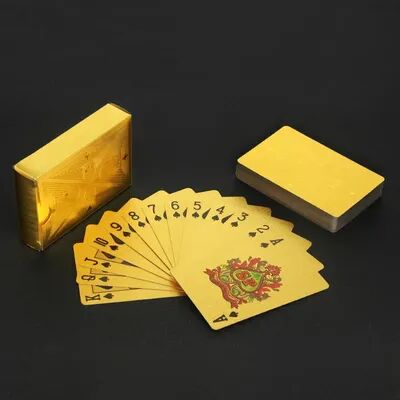
Inspire Daily Merch Waterproof Gold Foil Skull Poker Cards For Gambling Board Game PVC Plastic Magic Cards Flexible Washable Playing Cards Waterproof Gold Foil Skull Poker Cards For Gambling Board Game PVC Plastic Magic Cards Flexible Washable Playing CarUnleash Your Winning Hand with Gold Foil Skull Poker Cards Experience the thrill of the game with these Gold Foil Skull Poker Cards, a musthave for any poker enthusiast or board game lover. Crafted with waterproof PVC plastic, these magic cards are...49,97 $*Shipping: 0,00 $Secure redirect to the provider
-
Inspired Finds PartyBlast Russian Roulette Balloon Surprise Game Set random ColorTurn any gathering into a laughfilled challenge with the Russian Roulette balloon game set, an interactive party tabletop game that delivers suspense and fun with every turn. Perfect for birthdays, water parties, or casual hangouts, this novelty...34,99 $*Shipping: 0,00 $Secure redirect to the provider
-
What is JPanel used for in Java?
JPanel is a Swing component in Java that is used to group and organize other components, such as buttons, labels, text fields, etc., within a container. It provides a way to manage the layout of these components and customize their appearance. JPanel is commonly used to create panels or sections within a graphical user interface, allowing for better organization and structure of the user interface components. **
-
How do I update a JPanel?
To update a JPanel, you can call the `repaint()` method on the panel. This will schedule a call to the panel's `paintComponent()` method, which will then redraw the panel. If you need to update the contents of the panel, you can modify the data that the panel uses to render itself, and then call `repaint()` to trigger a redraw. Additionally, you can also call `revalidate()` on the panel if you have added or removed components from it, to ensure that the layout is updated correctly. **
-
How do I position an image in a JPanel?
To position an image in a JPanel, you can use a layout manager such as BorderLayout, FlowLayout, or GridBagLayout to control the position of the image within the panel. You can also set the preferred size of the image using the setPreferredSize() method and then add the image to the panel using the add() method. Additionally, you can use the setBounds() method to specify the exact position and size of the image within the panel. **
-
What is the purpose of using JPanel in Java?
The purpose of using JPanel in Java is to provide a container for organizing and grouping components within a graphical user interface. It allows for the creation of complex layouts by adding and arranging various components such as buttons, labels, text fields, and other GUI elements. JPanel also enables the creation of custom components and provides a way to manage their appearance and behavior. Overall, JPanel helps in creating a more organized and visually appealing user interface for Java applications. **
Similar search terms for JPanel
-
ZWYO HOSIMU "32""H Three-Tiered Wooden Shelving Unit with Ornate Iron Frame , Farmhouse Rustic Style, for Collectibles and Household Items""Introducing our 32"" Three-Tiered White Wooden Shelving Unit, a charming piece that combines rustic farmhouse style with intricate craftsmanship."471,99 $*Shipping: 0,00 $Secure redirect to the provider
-
Anker Member Gift Card RewardsWide Variety: Choose from a range of designs to find a gift card for any occasion. Convenient and Fast: After placing an order, gift cards can be sent to relatives and friends immediately by email. Easy to Use: Just use the gift card code at...20,00 $*Shipping: 0,00 $Secure redirect to the provider
-
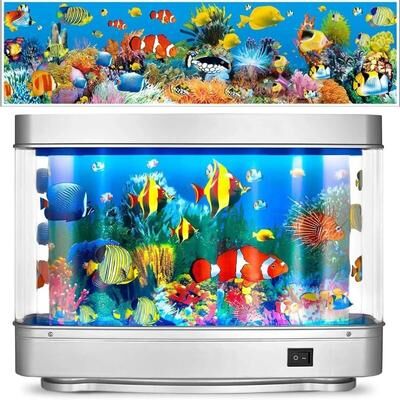
Uplift Essentials Virtual Motion Ocean Aquarium Lamp Virtual Motion Ocean Aquarium Lamp"Experience the tranquil beauty of the deep blue without the maintenance of a real tank with the Virtual Motion Ocean Aquarium Lamp. This creative decorative piece uses highdefinition ""moving picture"" technology to simulate a vibrant tropical reef,..."79,97 $*Shipping: 0,00 $Secure redirect to the provider
-
What is a background image for a JPanel?
A background image for a JPanel is an image that is displayed behind the components of the JPanel. It can be used to enhance the visual appearance of the panel and create a more immersive user interface. The background image can be set using the setOpaque(false) method to make the panel transparent and then adding the image as the background using the setIcon() method of a JLabel. This allows for customization and personalization of the JPanel to better suit the application's design. **
-
How do you create a JPanel with Eclipse?
To create a JPanel with Eclipse, you can follow these steps: 1. Open Eclipse and create a new Java project. 2. Right-click on the src folder in the project explorer and select New -> Class. 3. In the New Java Class dialog, give your class a name and check the box that says "public static void main(String[] args)". 4. Click Finish to create the class. Inside the class, you can create a JPanel object by importing javax.swing.JPanel and instantiating it in the main method. 5. You can then add components to the JPanel and customize its appearance as needed. **
-
How do I remove a JPanel from a JFrame in a 2D tile game in Java?
To remove a JPanel from a JFrame in a 2D tile game in Java, you can use the `remove()` method of the JFrame class. First, you need to get a reference to the JPanel you want to remove by calling `getContentPane()` on the JFrame and then calling `remove()` on the JPanel object. Finally, you should call `revalidate()` and `repaint()` on the JFrame to update the display and reflect the changes. **
-
How do I change the size and position of the JPanel?
To change the size of a JPanel, you can use the `setSize(int width, int height)` method, where you specify the desired width and height in pixels. To change the position of a JPanel within its container, you can use layout managers like BorderLayout, FlowLayout, GridLayout, etc., or set the location explicitly using `setLocation(int x, int y)` method. You can also use setBounds(int x, int y, int width, int height) to set both the size and position of the JPanel in one go. **
* All prices are inclusive of VAT and, if applicable, plus shipping costs. The offer information is based on the details provided by the respective shop and is updated through automated processes. Real-time updates do not occur, so deviations can occur in individual cases. ** Note: Parts of this content were created by AI.