Buy lootbox.eu ?
We are moving the project
lootbox.eu .
Are you interested in purchasing the domain
lootbox.eu ?
domain@kv-gmbh.de · 0541-91531010
Buy lootbox.eu ?
What are judicial officers and judicial assistants?
Judicial officers are individuals who hold positions within the judicial system, such as judges, magistrates, or justices. They are responsible for presiding over court proceedings, making legal decisions, and ensuring that the law is upheld. Judicial assistants, on the other hand, are support staff who work closely with judicial officers to help manage their caseloads, prepare legal documents, and assist with administrative tasks. They play a crucial role in the efficient operation of the court system and provide valuable support to judicial officers in their daily responsibilities. **
What is the difference between judicial independence and judicial arbitrariness?
Judicial independence refers to the principle that judges should be free from interference or influence from the other branches of government or external parties, allowing them to make decisions based on the law and facts of the case. On the other hand, judicial arbitrariness occurs when judges make decisions without proper legal reasoning or justification, leading to inconsistent or unpredictable outcomes. Judicial independence is essential for upholding the rule of law and ensuring fair and impartial justice, while judicial arbitrariness undermines the credibility and legitimacy of the judicial system. **


Similar search terms for Judicial
Top-Angebote
Products related to Judicial:
-
Inspired Finds PartyBlast Russian Roulette Balloon Surprise Game Set random ColorTurn any gathering into a laughfilled challenge with the Russian Roulette balloon game set, an interactive party tabletop game that delivers suspense and fun with every turn. Perfect for birthdays, water parties, or casual hangouts, this novelty...34,99 $*Shipping: 0,00 $Secure redirect to the provider
-
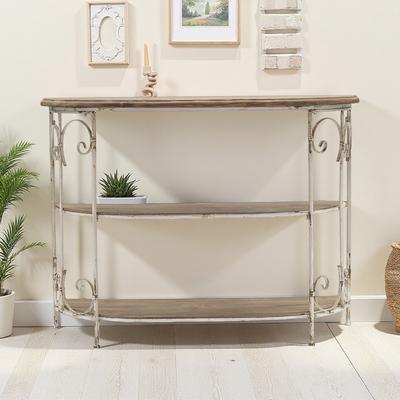
ZWYO HOSIMU "32""H Three-Tiered Wooden Shelving Unit with Ornate Iron Frame , Farmhouse Rustic Style, for Collectibles and Household Items""Introducing our 32"" Three-Tiered White Wooden Shelving Unit, a charming piece that combines rustic farmhouse style with intricate craftsmanship."471,99 $*Shipping: 0,00 $Secure redirect to the provider



-
What is the difference between a judicial clerk and a judicial specialist?
A judicial clerk is typically a recent law school graduate who assists judges by conducting legal research, drafting opinions, and managing court proceedings. They work closely with judges to help them make informed decisions. On the other hand, a judicial specialist is a court staff member who performs administrative duties such as managing case files, scheduling court hearings, and assisting with court operations. While both roles support the judicial system, clerks focus more on legal analysis and research, while specialists handle administrative tasks. **
-
How difficult is it to become a judicial clerk or judicial officer?
Becoming a judicial clerk or judicial officer is a highly competitive and challenging process. To become a judicial clerk, one typically needs to have a strong academic record, excellent writing and research skills, and a demonstrated interest in the law. Competition for these positions can be fierce, as they are highly sought after for the valuable experience and networking opportunities they provide. Similarly, becoming a judicial officer, such as a judge, requires extensive legal experience, a stellar reputation in the legal community, and often political connections. Overall, both paths require dedication, hard work, and a strong commitment to the legal profession. **
-
What is the difference between a judicial officer and a senior judicial officer?
A judicial officer is typically a lower-ranking official within the judicial system, such as a magistrate or a judge at the entry level. On the other hand, a senior judicial officer is a higher-ranking official with more experience and authority, often holding a supervisory role over other judicial officers. Senior judicial officers may have the power to make more significant decisions, handle complex cases, and provide guidance to junior officers. In summary, the main difference lies in the level of experience, authority, and responsibilities within the judicial hierarchy. **
-
What is the difference between a judicial constable and a senior judicial constable?
A judicial constable is an entry-level position within the court system responsible for maintaining order and security in courtrooms, serving legal documents, and providing assistance to judges and other court personnel. On the other hand, a senior judicial constable is a more experienced and higher-ranking position within the court system. They may have additional responsibilities such as supervising and training junior constables, overseeing security operations, and handling more complex legal matters. Additionally, senior judicial constables may have a higher level of authority and decision-making power within the court environment. **


What is the difference between a judicial bailiff and a senior judicial bailiff?
A judicial bailiff is a court officer responsible for maintaining order and security in the courtroom, serving legal documents, and executing court orders. A senior judicial bailiff, on the other hand, is a higher-ranking court officer with more experience and responsibilities. They may oversee a team of bailiffs, manage the security and operations of the courtroom, and assist judges with administrative tasks. Additionally, senior judicial bailiffs may have more authority in executing court orders and managing court proceedings. **
What is a judicial clerk?
A judicial clerk is a legal professional who works directly with a judge, assisting with research, drafting legal documents, and preparing for court proceedings. They often play a crucial role in helping judges make informed decisions by providing analysis and recommendations on various legal matters. Judicial clerks are typically recent law school graduates or experienced attorneys who work in a court setting for a fixed term, gaining valuable experience and insight into the judicial process. **
Top-Angebote
Products related to Judicial:
-
Inspired Finds Crocodile Chomp Surprise Dentist Game For Kids Crocodile Chomp Surprise Dentist Game For KidsTurn giggles and squeals into the highlight of playtime with this suspensefilled crocodile teeth toy. Kids take turns pressing the crocodiles teeth one by one, never knowing which sore tooth will make the jaws snap shut. Its a simple, fastpaced...34,99 $*Shipping: 0,00 $Secure redirect to the provider
-
Inspire Daily Merch Waterproof Gold Foil Skull Poker Cards For Gambling Board Game PVC Plastic Magic Cards Flexible Washable Playing Cards Waterproof Gold Foil Skull Poker Cards For Gambling Board Game PVC Plastic Magic Cards Flexible Washable Playing CarUnleash Your Winning Hand with Gold Foil Skull Poker Cards Experience the thrill of the game with these Gold Foil Skull Poker Cards, a musthave for any poker enthusiast or board game lover. Crafted with waterproof PVC plastic, these magic cards are...49,97 $*Shipping: 0,00 $Secure redirect to the provider
-
Inspired Finds PartyBlast Russian Roulette Balloon Surprise Game Set random ColorTurn any gathering into a laughfilled challenge with the Russian Roulette balloon game set, an interactive party tabletop game that delivers suspense and fun with every turn. Perfect for birthdays, water parties, or casual hangouts, this novelty...34,99 $*Shipping: 0,00 $Secure redirect to the provider
-
What are judicial officers and judicial assistants?
Judicial officers are individuals who hold positions within the judicial system, such as judges, magistrates, or justices. They are responsible for presiding over court proceedings, making legal decisions, and ensuring that the law is upheld. Judicial assistants, on the other hand, are support staff who work closely with judicial officers to help manage their caseloads, prepare legal documents, and assist with administrative tasks. They play a crucial role in the efficient operation of the court system and provide valuable support to judicial officers in their daily responsibilities. **
-
What is the difference between judicial independence and judicial arbitrariness?
Judicial independence refers to the principle that judges should be free from interference or influence from the other branches of government or external parties, allowing them to make decisions based on the law and facts of the case. On the other hand, judicial arbitrariness occurs when judges make decisions without proper legal reasoning or justification, leading to inconsistent or unpredictable outcomes. Judicial independence is essential for upholding the rule of law and ensuring fair and impartial justice, while judicial arbitrariness undermines the credibility and legitimacy of the judicial system. **
-
What is the difference between a judicial clerk and a judicial specialist?
A judicial clerk is typically a recent law school graduate who assists judges by conducting legal research, drafting opinions, and managing court proceedings. They work closely with judges to help them make informed decisions. On the other hand, a judicial specialist is a court staff member who performs administrative duties such as managing case files, scheduling court hearings, and assisting with court operations. While both roles support the judicial system, clerks focus more on legal analysis and research, while specialists handle administrative tasks. **
-
How difficult is it to become a judicial clerk or judicial officer?
Becoming a judicial clerk or judicial officer is a highly competitive and challenging process. To become a judicial clerk, one typically needs to have a strong academic record, excellent writing and research skills, and a demonstrated interest in the law. Competition for these positions can be fierce, as they are highly sought after for the valuable experience and networking opportunities they provide. Similarly, becoming a judicial officer, such as a judge, requires extensive legal experience, a stellar reputation in the legal community, and often political connections. Overall, both paths require dedication, hard work, and a strong commitment to the legal profession. **
Similar search terms for Judicial
-
ZWYO HOSIMU "32""H Three-Tiered Wooden Shelving Unit with Ornate Iron Frame , Farmhouse Rustic Style, for Collectibles and Household Items""Introducing our 32"" Three-Tiered White Wooden Shelving Unit, a charming piece that combines rustic farmhouse style with intricate craftsmanship."471,99 $*Shipping: 0,00 $Secure redirect to the provider
-
Anker Member Gift Card RewardsWide Variety: Choose from a range of designs to find a gift card for any occasion. Convenient and Fast: After placing an order, gift cards can be sent to relatives and friends immediately by email. Easy to Use: Just use the gift card code at...20,00 $*Shipping: 0,00 $Secure redirect to the provider
-
What is the difference between a judicial officer and a senior judicial officer?
A judicial officer is typically a lower-ranking official within the judicial system, such as a magistrate or a judge at the entry level. On the other hand, a senior judicial officer is a higher-ranking official with more experience and authority, often holding a supervisory role over other judicial officers. Senior judicial officers may have the power to make more significant decisions, handle complex cases, and provide guidance to junior officers. In summary, the main difference lies in the level of experience, authority, and responsibilities within the judicial hierarchy. **
-
What is the difference between a judicial constable and a senior judicial constable?
A judicial constable is an entry-level position within the court system responsible for maintaining order and security in courtrooms, serving legal documents, and providing assistance to judges and other court personnel. On the other hand, a senior judicial constable is a more experienced and higher-ranking position within the court system. They may have additional responsibilities such as supervising and training junior constables, overseeing security operations, and handling more complex legal matters. Additionally, senior judicial constables may have a higher level of authority and decision-making power within the court environment. **
-
What is the difference between a judicial bailiff and a senior judicial bailiff?
A judicial bailiff is a court officer responsible for maintaining order and security in the courtroom, serving legal documents, and executing court orders. A senior judicial bailiff, on the other hand, is a higher-ranking court officer with more experience and responsibilities. They may oversee a team of bailiffs, manage the security and operations of the courtroom, and assist judges with administrative tasks. Additionally, senior judicial bailiffs may have more authority in executing court orders and managing court proceedings. **
-
What is a judicial clerk?
A judicial clerk is a legal professional who works directly with a judge, assisting with research, drafting legal documents, and preparing for court proceedings. They often play a crucial role in helping judges make informed decisions by providing analysis and recommendations on various legal matters. Judicial clerks are typically recent law school graduates or experienced attorneys who work in a court setting for a fixed term, gaining valuable experience and insight into the judicial process. **
* All prices are inclusive of VAT and, if applicable, plus shipping costs. The offer information is based on the details provided by the respective shop and is updated through automated processes. Real-time updates do not occur, so deviations can occur in individual cases. ** Note: Parts of this content were created by AI.