Buy lootbox.eu ?
We are moving the project
lootbox.eu .
Are you interested in purchasing the domain
lootbox.eu ?
domain@kv-gmbh.de · 0541-91531010
Buy lootbox.eu ?
What does l'homme de la nature et de la vérité mean?
L'homme de la nature et de la vérité means "the man of nature and truth" in French. This phrase refers to a person who is in tune with the natural world and seeks to live in accordance with truth and authenticity. It conveys the idea of someone who values simplicity, honesty, and a deep connection to the natural environment. This concept is often associated with the Romantic movement in literature and philosophy, which emphasized the importance of nature and the pursuit of truth. **
When do you use "de, de el, del, and de la" in Spanish?
In Spanish, "de" is used to indicate possession or relationship between two nouns, for example: el libro de Juan (Juan's book). "De el" is contracted to "del" and is used when the noun following it is masculine singular, for example: el libro del estudiante (the student's book). "De la" is used when the noun following it is feminine singular, for example: la casa de la abuela (the grandmother's house). These prepositions are used to show possession or relationship between two nouns in Spanish. **
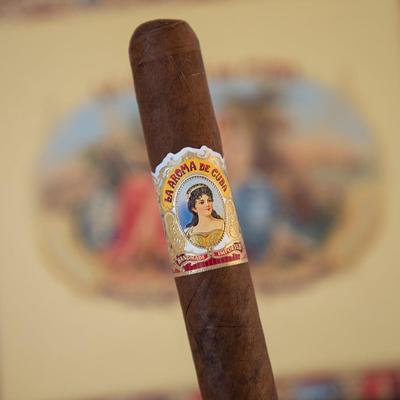

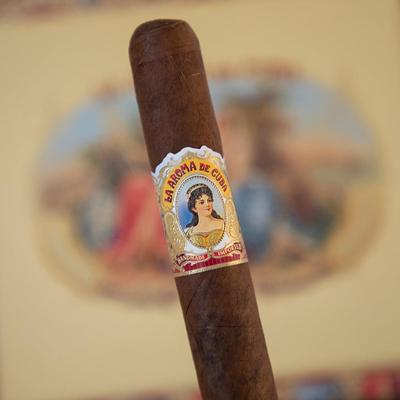
Similar search terms for La-Aroma-de-Cuba
Top-Angebote
Products related to La-Aroma-de-Cuba:

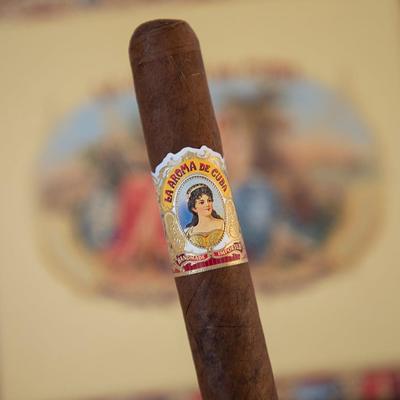
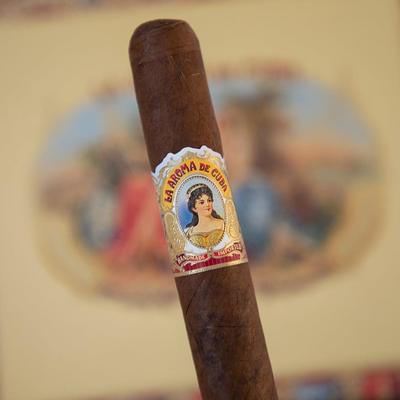
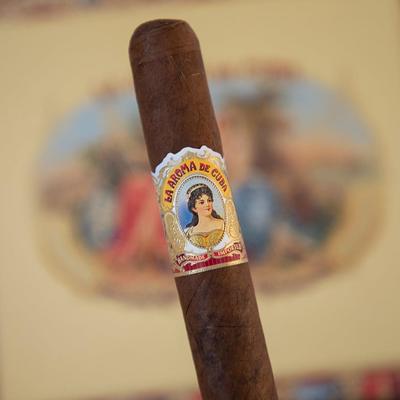
-
What is the difference between de, de la, du, des, and de?
The difference between de, de la, du, des, and de lies in their usage with different nouns. "De" is used before masculine singular nouns, "de la" before feminine singular nouns, "du" before masculine singular nouns starting with a vowel or silent "h," and "des" before plural nouns. "De" is also used before verbs and expressions of quantity. **
-
Who was Jean de La Fontaine?
Jean de La Fontaine was a French poet and fabulist who lived in the 17th century. He is best known for his collection of fables, which were written in verse and often featured animals as characters to convey moral lessons. La Fontaine's fables are still widely read and studied for their wit, humor, and timeless wisdom. He is considered one of the greatest French poets of his time and his work continues to be celebrated for its enduring appeal. **
-
When do we use du, de la, de l', de and des in French?
In French, "du" is used before masculine singular nouns, "de la" is used before feminine singular nouns, "de l'" is used before singular nouns that begin with a vowel or silent "h", "de" is used before masculine or feminine singular nouns that are preceded by a specific quantity or expression of quantity, and "des" is used before plural nouns. These articles indicate the partitive or indefinite nature of the noun they precede, and they are used to express the idea of some, any, or a part of something. **
-
What does "La Marquise de Pompadour est la maîtresse de Louis XV" mean translated into German?
"La Marquise de Pompadour est la maîtresse de Louis XV" translates to "Die Marquise von Pompadour ist die Geliebte von Louis XV" in German. **

When do you use du, de la, or de l' in French?
In French, "du" is used before masculine singular nouns, "de la" is used before feminine singular nouns, and "de l'" is used before singular nouns that begin with a vowel or a silent "h." These forms of the preposition "de" indicate possession or quantity. For example, "du pain" (some bread), "de la confiture" (some jam), and "de l'eau" (some water). **
Why does De La Soul do that?
De La Soul is known for their innovative and unique approach to hip-hop music, often incorporating eclectic samples, playful lyrics, and unconventional song structures. They do this to push the boundaries of the genre and create music that is both thought-provoking and enjoyable. Their willingness to experiment and take risks has allowed them to remain influential and relevant in the hip-hop community for decades. **
Top-Angebote
Products related to La-Aroma-de-Cuba:
-
What does l'homme de la nature et de la vérité mean?
L'homme de la nature et de la vérité means "the man of nature and truth" in French. This phrase refers to a person who is in tune with the natural world and seeks to live in accordance with truth and authenticity. It conveys the idea of someone who values simplicity, honesty, and a deep connection to the natural environment. This concept is often associated with the Romantic movement in literature and philosophy, which emphasized the importance of nature and the pursuit of truth. **
-
When do you use "de, de el, del, and de la" in Spanish?
In Spanish, "de" is used to indicate possession or relationship between two nouns, for example: el libro de Juan (Juan's book). "De el" is contracted to "del" and is used when the noun following it is masculine singular, for example: el libro del estudiante (the student's book). "De la" is used when the noun following it is feminine singular, for example: la casa de la abuela (the grandmother's house). These prepositions are used to show possession or relationship between two nouns in Spanish. **
-
What is the difference between de, de la, du, des, and de?
The difference between de, de la, du, des, and de lies in their usage with different nouns. "De" is used before masculine singular nouns, "de la" before feminine singular nouns, "du" before masculine singular nouns starting with a vowel or silent "h," and "des" before plural nouns. "De" is also used before verbs and expressions of quantity. **
-
Who was Jean de La Fontaine?
Jean de La Fontaine was a French poet and fabulist who lived in the 17th century. He is best known for his collection of fables, which were written in verse and often featured animals as characters to convey moral lessons. La Fontaine's fables are still widely read and studied for their wit, humor, and timeless wisdom. He is considered one of the greatest French poets of his time and his work continues to be celebrated for its enduring appeal. **
Similar search terms for La-Aroma-de-Cuba
-
When do we use du, de la, de l', de and des in French?
In French, "du" is used before masculine singular nouns, "de la" is used before feminine singular nouns, "de l'" is used before singular nouns that begin with a vowel or silent "h", "de" is used before masculine or feminine singular nouns that are preceded by a specific quantity or expression of quantity, and "des" is used before plural nouns. These articles indicate the partitive or indefinite nature of the noun they precede, and they are used to express the idea of some, any, or a part of something. **
-
What does "La Marquise de Pompadour est la maîtresse de Louis XV" mean translated into German?
"La Marquise de Pompadour est la maîtresse de Louis XV" translates to "Die Marquise von Pompadour ist die Geliebte von Louis XV" in German. **
-
When do you use du, de la, or de l' in French?
In French, "du" is used before masculine singular nouns, "de la" is used before feminine singular nouns, and "de l'" is used before singular nouns that begin with a vowel or a silent "h." These forms of the preposition "de" indicate possession or quantity. For example, "du pain" (some bread), "de la confiture" (some jam), and "de l'eau" (some water). **
-
Why does De La Soul do that?
De La Soul is known for their innovative and unique approach to hip-hop music, often incorporating eclectic samples, playful lyrics, and unconventional song structures. They do this to push the boundaries of the genre and create music that is both thought-provoking and enjoyable. Their willingness to experiment and take risks has allowed them to remain influential and relevant in the hip-hop community for decades. **
* All prices are inclusive of VAT and, if applicable, plus shipping costs. The offer information is based on the details provided by the respective shop and is updated through automated processes. Real-time updates do not occur, so deviations can occur in individual cases. ** Note: Parts of this content were created by AI.