Buy lootbox.eu ?
We are moving the project
lootbox.eu .
Are you interested in purchasing the domain
lootbox.eu ?
domain@kv-gmbh.de · 0541-91531010
Buy lootbox.eu ?
What is the difference between frequency modulation and amplitude modulation?
Frequency modulation (FM) and amplitude modulation (AM) are two different methods used in radio broadcasting to carry a signal. The main difference between the two is how they vary the carrier wave to transmit information. In AM, the amplitude of the carrier wave is varied in proportion to that of the input signal, while in FM, the frequency of the carrier wave is varied. FM is known for its better sound quality and resistance to noise, while AM is simpler and has a longer range. **
What is the difference between amplitude modulation and frequency modulation?
Amplitude modulation (AM) is a method of encoding information on a carrier wave by varying its amplitude, while frequency modulation (FM) encodes information by varying the frequency of the carrier wave. In AM, the amplitude of the carrier wave is directly proportional to the amplitude of the input signal, whereas in FM, the frequency of the carrier wave is varied in proportion to the amplitude of the input signal. FM is less susceptible to noise and interference compared to AM, making it a more reliable method for transmitting information over long distances. **

Similar search terms for Modulation
Top-Angebote
Products related to Modulation:
-
Inspired Finds PartyBlast Russian Roulette Balloon Surprise Game Set random ColorTurn any gathering into a laughfilled challenge with the Russian Roulette balloon game set, an interactive party tabletop game that delivers suspense and fun with every turn. Perfect for birthdays, water parties, or casual hangouts, this novelty...34,99 $*Shipping: 0,00 $Secure redirect to the provider
-
ZWYO HOSIMU "32""H Three-Tiered Wooden Shelving Unit with Ornate Iron Frame , Farmhouse Rustic Style, for Collectibles and Household Items""Introducing our 32"" Three-Tiered White Wooden Shelving Unit, a charming piece that combines rustic farmhouse style with intricate craftsmanship."471,99 $*Shipping: 0,00 $Secure redirect to the provider



-
How does modulation work?
Modulation is the process of varying a carrier signal's properties, such as its amplitude, frequency, or phase, in order to encode information onto it. This allows the carrier signal to carry the information over a communication channel. For example, in amplitude modulation (AM), the amplitude of the carrier signal is varied in accordance with the information signal. At the receiving end, the modulation is reversed through demodulation, allowing the original information to be recovered. Modulation is a fundamental concept in communication systems, allowing for the transmission of information over long distances. **
-
What are the characteristics of modulation?
Modulation is the process of varying a carrier signal's properties, such as amplitude, frequency, or phase, in order to transmit information. The characteristics of modulation include the ability to encode information onto a carrier signal, allowing for efficient transmission over long distances. Modulation also enables multiple signals to be transmitted simultaneously over the same medium, known as multiplexing. Additionally, modulation allows for the signal to be easily demodulated and the original information to be recovered at the receiving end. **
-
What is the project Pulse Width Modulation?
Pulse Width Modulation (PWM) is a technique used to encode a message into a pulsing signal. It involves varying the width of the pulse while keeping the frequency constant. This method is commonly used in electronic devices to control the power supplied to electrical devices, such as motors, LEDs, and speakers. By adjusting the duty cycle of the pulse, PWM allows for precise control over the output voltage or current, making it an efficient way to regulate the speed or intensity of various components. **
-
What is the frequency of amplitude modulation in biology?
In biology, amplitude modulation refers to the variation in the amplitude of a signal, such as a sound wave or neural signal. This modulation can occur at various frequencies depending on the specific biological process or system being studied. For example, in the auditory system, amplitude modulation frequencies are important for encoding information about sound intensity. In neural signaling, amplitude modulation frequencies can be used to convey information about the strength or intensity of a signal being transmitted. **


How can pulse width modulation be explained simply?
Pulse width modulation (PWM) is a method used to control the amount of power delivered to a load by varying the width of the pulse signal. In simple terms, PWM works by turning the power on and off at a fast rate, with the ratio of on-time to off-time determining the average power delivered. By adjusting this ratio, PWM can effectively control the speed of motors, brightness of LEDs, and other parameters in electronic systems. **
How does the modulation transfer function typically proceed?
The modulation transfer function (MTF) typically proceeds by measuring the ability of an optical system to transfer contrast from the object to the image. This is done by analyzing the spatial frequency response of the system, which describes how well the system can reproduce different levels of detail in the object. The MTF is often measured by imaging a test pattern with known spatial frequencies and analyzing the contrast of the resulting image. The MTF is then plotted as a function of spatial frequency, showing how contrast is transferred at different levels of detail. **
Top-Angebote
Products related to Modulation:
-
Inspired Finds Crocodile Chomp Surprise Dentist Game For Kids Crocodile Chomp Surprise Dentist Game For KidsTurn giggles and squeals into the highlight of playtime with this suspensefilled crocodile teeth toy. Kids take turns pressing the crocodiles teeth one by one, never knowing which sore tooth will make the jaws snap shut. Its a simple, fastpaced...34,99 $*Shipping: 0,00 $Secure redirect to the provider
-
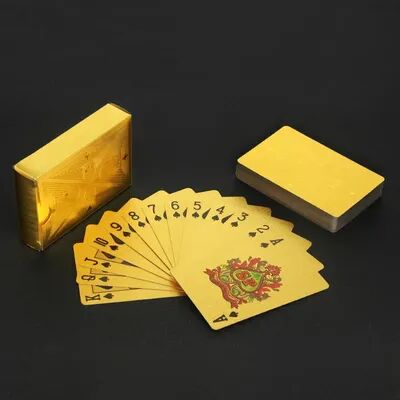
Inspire Daily Merch Waterproof Gold Foil Skull Poker Cards For Gambling Board Game PVC Plastic Magic Cards Flexible Washable Playing Cards Waterproof Gold Foil Skull Poker Cards For Gambling Board Game PVC Plastic Magic Cards Flexible Washable Playing CarUnleash Your Winning Hand with Gold Foil Skull Poker Cards Experience the thrill of the game with these Gold Foil Skull Poker Cards, a musthave for any poker enthusiast or board game lover. Crafted with waterproof PVC plastic, these magic cards are...49,97 $*Shipping: 0,00 $Secure redirect to the provider
-
Inspired Finds PartyBlast Russian Roulette Balloon Surprise Game Set random ColorTurn any gathering into a laughfilled challenge with the Russian Roulette balloon game set, an interactive party tabletop game that delivers suspense and fun with every turn. Perfect for birthdays, water parties, or casual hangouts, this novelty...34,99 $*Shipping: 0,00 $Secure redirect to the provider
-
ZWYO HOSIMU "32""H Three-Tiered Wooden Shelving Unit with Ornate Iron Frame , Farmhouse Rustic Style, for Collectibles and Household Items""Introducing our 32"" Three-Tiered White Wooden Shelving Unit, a charming piece that combines rustic farmhouse style with intricate craftsmanship."471,99 $*Shipping: 0,00 $Secure redirect to the provider
-
What is the difference between frequency modulation and amplitude modulation?
Frequency modulation (FM) and amplitude modulation (AM) are two different methods used in radio broadcasting to carry a signal. The main difference between the two is how they vary the carrier wave to transmit information. In AM, the amplitude of the carrier wave is varied in proportion to that of the input signal, while in FM, the frequency of the carrier wave is varied. FM is known for its better sound quality and resistance to noise, while AM is simpler and has a longer range. **
-
What is the difference between amplitude modulation and frequency modulation?
Amplitude modulation (AM) is a method of encoding information on a carrier wave by varying its amplitude, while frequency modulation (FM) encodes information by varying the frequency of the carrier wave. In AM, the amplitude of the carrier wave is directly proportional to the amplitude of the input signal, whereas in FM, the frequency of the carrier wave is varied in proportion to the amplitude of the input signal. FM is less susceptible to noise and interference compared to AM, making it a more reliable method for transmitting information over long distances. **
-
How does modulation work?
Modulation is the process of varying a carrier signal's properties, such as its amplitude, frequency, or phase, in order to encode information onto it. This allows the carrier signal to carry the information over a communication channel. For example, in amplitude modulation (AM), the amplitude of the carrier signal is varied in accordance with the information signal. At the receiving end, the modulation is reversed through demodulation, allowing the original information to be recovered. Modulation is a fundamental concept in communication systems, allowing for the transmission of information over long distances. **
-
What are the characteristics of modulation?
Modulation is the process of varying a carrier signal's properties, such as amplitude, frequency, or phase, in order to transmit information. The characteristics of modulation include the ability to encode information onto a carrier signal, allowing for efficient transmission over long distances. Modulation also enables multiple signals to be transmitted simultaneously over the same medium, known as multiplexing. Additionally, modulation allows for the signal to be easily demodulated and the original information to be recovered at the receiving end. **
Similar search terms for Modulation
-
Anker Member Gift Card RewardsWide Variety: Choose from a range of designs to find a gift card for any occasion. Convenient and Fast: After placing an order, gift cards can be sent to relatives and friends immediately by email. Easy to Use: Just use the gift card code at...20,00 $*Shipping: 0,00 $Secure redirect to the provider
-
Uplift Essentials Virtual Motion Ocean Aquarium Lamp Virtual Motion Ocean Aquarium Lamp"Experience the tranquil beauty of the deep blue without the maintenance of a real tank with the Virtual Motion Ocean Aquarium Lamp. This creative decorative piece uses highdefinition ""moving picture"" technology to simulate a vibrant tropical reef,..."79,97 $*Shipping: 0,00 $Secure redirect to the provider
-
What is the project Pulse Width Modulation?
Pulse Width Modulation (PWM) is a technique used to encode a message into a pulsing signal. It involves varying the width of the pulse while keeping the frequency constant. This method is commonly used in electronic devices to control the power supplied to electrical devices, such as motors, LEDs, and speakers. By adjusting the duty cycle of the pulse, PWM allows for precise control over the output voltage or current, making it an efficient way to regulate the speed or intensity of various components. **
-
What is the frequency of amplitude modulation in biology?
In biology, amplitude modulation refers to the variation in the amplitude of a signal, such as a sound wave or neural signal. This modulation can occur at various frequencies depending on the specific biological process or system being studied. For example, in the auditory system, amplitude modulation frequencies are important for encoding information about sound intensity. In neural signaling, amplitude modulation frequencies can be used to convey information about the strength or intensity of a signal being transmitted. **
-
How can pulse width modulation be explained simply?
Pulse width modulation (PWM) is a method used to control the amount of power delivered to a load by varying the width of the pulse signal. In simple terms, PWM works by turning the power on and off at a fast rate, with the ratio of on-time to off-time determining the average power delivered. By adjusting this ratio, PWM can effectively control the speed of motors, brightness of LEDs, and other parameters in electronic systems. **
-
How does the modulation transfer function typically proceed?
The modulation transfer function (MTF) typically proceeds by measuring the ability of an optical system to transfer contrast from the object to the image. This is done by analyzing the spatial frequency response of the system, which describes how well the system can reproduce different levels of detail in the object. The MTF is often measured by imaging a test pattern with known spatial frequencies and analyzing the contrast of the resulting image. The MTF is then plotted as a function of spatial frequency, showing how contrast is transferred at different levels of detail. **
* All prices are inclusive of VAT and, if applicable, plus shipping costs. The offer information is based on the details provided by the respective shop and is updated through automated processes. Real-time updates do not occur, so deviations can occur in individual cases. ** Note: Parts of this content were created by AI.