Buy lootbox.eu ?
We are moving the project
lootbox.eu .
Are you interested in purchasing the domain
lootbox.eu ?
domain@kv-gmbh.de · 0541-91531010
Buy lootbox.eu ?
What is osmosis in biology?
Osmosis is a biological process where molecules of a solvent, such as water, move from an area of higher concentration to an area of lower concentration through a semi-permeable membrane. This movement of water helps to balance the concentration of solutes on both sides of the membrane. Osmosis is crucial for maintaining the proper balance of water and nutrients in cells and is essential for various biological processes, such as nutrient uptake in plants and kidney function in animals. **
What is osmosis in potatoes?
Osmosis in potatoes refers to the process by which water moves across a semi-permeable membrane from an area of higher water concentration to an area of lower water concentration. In the context of potatoes, when they are placed in a solution with a different concentration of water compared to the potato cells, osmosis occurs. This can cause the potato cells to either gain water and swell (in a hypotonic solution) or lose water and shrink (in a hypertonic solution). By studying osmosis in potatoes, scientists can better understand how cells regulate water balance and how different solutions affect living organisms. **

Similar search terms for Osmosis
Top-Angebote
Products related to Osmosis:
-
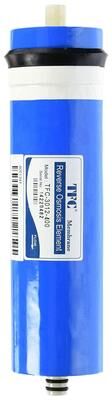
iSpring MC3 300 GPD Commercial Reverse Osmosis Membrane"300GPD Commercial Reverse Osmosis Membrane, tested by independent third-party to meet NSF/ANSI Standard TFC (Thin Film Composite) membrane Rejects wide spectrum of impurities down to . 0001 micron Fits commercial membrane housing that uses 2. 8""x12""…"169,73 $*Shipping: 0,00 $Secure redirect to the provider
-
Portable Water Filte Countertop Reverse Osmosis Water FilterElevate your daily hydration with this countertop reverse osmosis water filter, crafted to enhance the quality of every sip.It boasts 5-stage filtration paired with advanced reverse osmosis technology, reducing over 1000 contaminants—such as PFOA,...181,99 $*Shipping: 0,00 $Secure redirect to the provider




-
What is osmosis in saltwater?
Osmosis in saltwater refers to the movement of water molecules across a semi-permeable membrane from an area of lower salt concentration to an area of higher salt concentration. In saltwater, the high concentration of salt creates a hypertonic environment, causing water to move out of the cells of organisms through osmosis. This can lead to dehydration and potential damage to the cells of marine organisms. Osmosis in saltwater is an important concept in understanding the physiological challenges faced by marine organisms living in high-salinity environments. **
-
How does osmosis occur?
Osmosis occurs when there is a semi-permeable membrane separating two solutions with different concentrations of solutes. Water molecules move from the side of lower solute concentration to the side of higher solute concentration in an attempt to equalize the concentration on both sides. This movement of water across the membrane is driven by the concentration gradient and the tendency of water to move from an area of high water potential to an area of low water potential. As a result, osmosis plays a crucial role in maintaining the balance of water and solutes in living organisms. **
-
What is Osmosis 11?
Osmosis 11 is a software platform that provides medical education resources for healthcare professionals and students. It offers a wide range of content, including videos, flashcards, and practice questions, to help users learn and retain medical knowledge. Osmosis 11 also features a personalized learning experience, allowing users to track their progress and focus on areas where they need improvement. Overall, Osmosis 11 is designed to support medical education and help users succeed in their studies and careers. **
-
What is the important difference between osmosis in plant cells and osmosis in animal cells?
The important difference between osmosis in plant cells and animal cells is the presence of a cell wall in plant cells. The cell wall provides structural support and prevents the cell from bursting when water enters through osmosis. In contrast, animal cells do not have a cell wall, so they rely on other mechanisms to maintain their shape and prevent bursting, such as pumping out excess water using ion pumps. **


What is osmosis in plant cells?
Osmosis in plant cells is the process by which water moves across a selectively permeable membrane from an area of higher water concentration to an area of lower water concentration. This movement of water helps maintain the turgidity and rigidity of plant cells, allowing them to support the plant structure. Osmosis is essential for various cellular processes in plants, including nutrient uptake and transportation. **
What is osmosis in brine shrimp?
Osmosis in brine shrimp refers to the movement of water across a semi-permeable membrane from an area of lower solute concentration to an area of higher solute concentration. In the case of brine shrimp, osmosis plays a crucial role in maintaining their internal water balance. When brine shrimp are placed in a hypertonic solution (such as saltwater), water will move out of their bodies, causing them to shrink and potentially die. Conversely, when brine shrimp are in a hypotonic solution (such as freshwater), water will move into their bodies, causing them to swell and potentially burst. **
Top-Angebote
Products related to Osmosis:
-
iSpring MC3 300 GPD Commercial Reverse Osmosis Membrane"300GPD Commercial Reverse Osmosis Membrane, tested by independent third-party to meet NSF/ANSI Standard TFC (Thin Film Composite) membrane Rejects wide spectrum of impurities down to . 0001 micron Fits commercial membrane housing that uses 2. 8""x12""…"169,73 $*Shipping: 0,00 $Secure redirect to the provider
-
Portable Water Filte Countertop Reverse Osmosis Water FilterElevate your daily hydration with this countertop reverse osmosis water filter, crafted to enhance the quality of every sip.It boasts 5-stage filtration paired with advanced reverse osmosis technology, reducing over 1000 contaminants—such as PFOA,...181,99 $*Shipping: 0,00 $Secure redirect to the provider
-
What is osmosis in biology?
Osmosis is a biological process where molecules of a solvent, such as water, move from an area of higher concentration to an area of lower concentration through a semi-permeable membrane. This movement of water helps to balance the concentration of solutes on both sides of the membrane. Osmosis is crucial for maintaining the proper balance of water and nutrients in cells and is essential for various biological processes, such as nutrient uptake in plants and kidney function in animals. **
-
What is osmosis in potatoes?
Osmosis in potatoes refers to the process by which water moves across a semi-permeable membrane from an area of higher water concentration to an area of lower water concentration. In the context of potatoes, when they are placed in a solution with a different concentration of water compared to the potato cells, osmosis occurs. This can cause the potato cells to either gain water and swell (in a hypotonic solution) or lose water and shrink (in a hypertonic solution). By studying osmosis in potatoes, scientists can better understand how cells regulate water balance and how different solutions affect living organisms. **
-
What is osmosis in saltwater?
Osmosis in saltwater refers to the movement of water molecules across a semi-permeable membrane from an area of lower salt concentration to an area of higher salt concentration. In saltwater, the high concentration of salt creates a hypertonic environment, causing water to move out of the cells of organisms through osmosis. This can lead to dehydration and potential damage to the cells of marine organisms. Osmosis in saltwater is an important concept in understanding the physiological challenges faced by marine organisms living in high-salinity environments. **
-
How does osmosis occur?
Osmosis occurs when there is a semi-permeable membrane separating two solutions with different concentrations of solutes. Water molecules move from the side of lower solute concentration to the side of higher solute concentration in an attempt to equalize the concentration on both sides. This movement of water across the membrane is driven by the concentration gradient and the tendency of water to move from an area of high water potential to an area of low water potential. As a result, osmosis plays a crucial role in maintaining the balance of water and solutes in living organisms. **
Similar search terms for Osmosis
-
Women's Osmosis Open Back Rocker Clog Heel by Alegria in Brown (Size 35 M)Classic style meets everyday comfort in the Osmosis leather clog. Designed with an adjustable strap for a secure fit and a soft-touch microsuede footbed for all-day cushioning. A slip-resistant outsole ensures steady traction, making it your go-to...129,99 $*Shipping: 0,00 $Secure redirect to the provider
-
What is Osmosis 11?
Osmosis 11 is a software platform that provides medical education resources for healthcare professionals and students. It offers a wide range of content, including videos, flashcards, and practice questions, to help users learn and retain medical knowledge. Osmosis 11 also features a personalized learning experience, allowing users to track their progress and focus on areas where they need improvement. Overall, Osmosis 11 is designed to support medical education and help users succeed in their studies and careers. **
-
What is the important difference between osmosis in plant cells and osmosis in animal cells?
The important difference between osmosis in plant cells and animal cells is the presence of a cell wall in plant cells. The cell wall provides structural support and prevents the cell from bursting when water enters through osmosis. In contrast, animal cells do not have a cell wall, so they rely on other mechanisms to maintain their shape and prevent bursting, such as pumping out excess water using ion pumps. **
-
What is osmosis in plant cells?
Osmosis in plant cells is the process by which water moves across a selectively permeable membrane from an area of higher water concentration to an area of lower water concentration. This movement of water helps maintain the turgidity and rigidity of plant cells, allowing them to support the plant structure. Osmosis is essential for various cellular processes in plants, including nutrient uptake and transportation. **
-
What is osmosis in brine shrimp?
Osmosis in brine shrimp refers to the movement of water across a semi-permeable membrane from an area of lower solute concentration to an area of higher solute concentration. In the case of brine shrimp, osmosis plays a crucial role in maintaining their internal water balance. When brine shrimp are placed in a hypertonic solution (such as saltwater), water will move out of their bodies, causing them to shrink and potentially die. Conversely, when brine shrimp are in a hypotonic solution (such as freshwater), water will move into their bodies, causing them to swell and potentially burst. **
* All prices are inclusive of VAT and, if applicable, plus shipping costs. The offer information is based on the details provided by the respective shop and is updated through automated processes. Real-time updates do not occur, so deviations can occur in individual cases. ** Note: Parts of this content were created by AI.