Buy lootbox.eu ?
We are moving the project
lootbox.eu .
Are you interested in purchasing the domain
lootbox.eu ?
domain@kv-gmbh.de · 0541-91531010
Buy lootbox.eu ?
How to calculate the piston area and piston diameter in a pneumatic cylinder?
To calculate the piston area in a pneumatic cylinder, you can use the formula: Area = π * (Diameter/2)^2, where Diameter is the diameter of the piston. To find the piston diameter, you can rearrange the formula to solve for Diameter: Diameter = 2 * √(Area/π). By knowing the piston area and applying these formulas, you can easily calculate the piston diameter in a pneumatic cylinder. **
What is piston seizure?
Piston seizure is a condition that occurs when the piston in an engine becomes stuck or frozen within the cylinder. This can happen due to overheating, lack of lubrication, or poor quality fuel. When piston seizure occurs, it can cause serious damage to the engine and may require extensive repairs or even a full engine replacement. It is important to address the underlying cause of piston seizure to prevent further damage to the engine. **


Similar search terms for Piston
Top-Angebote
Products related to Piston:



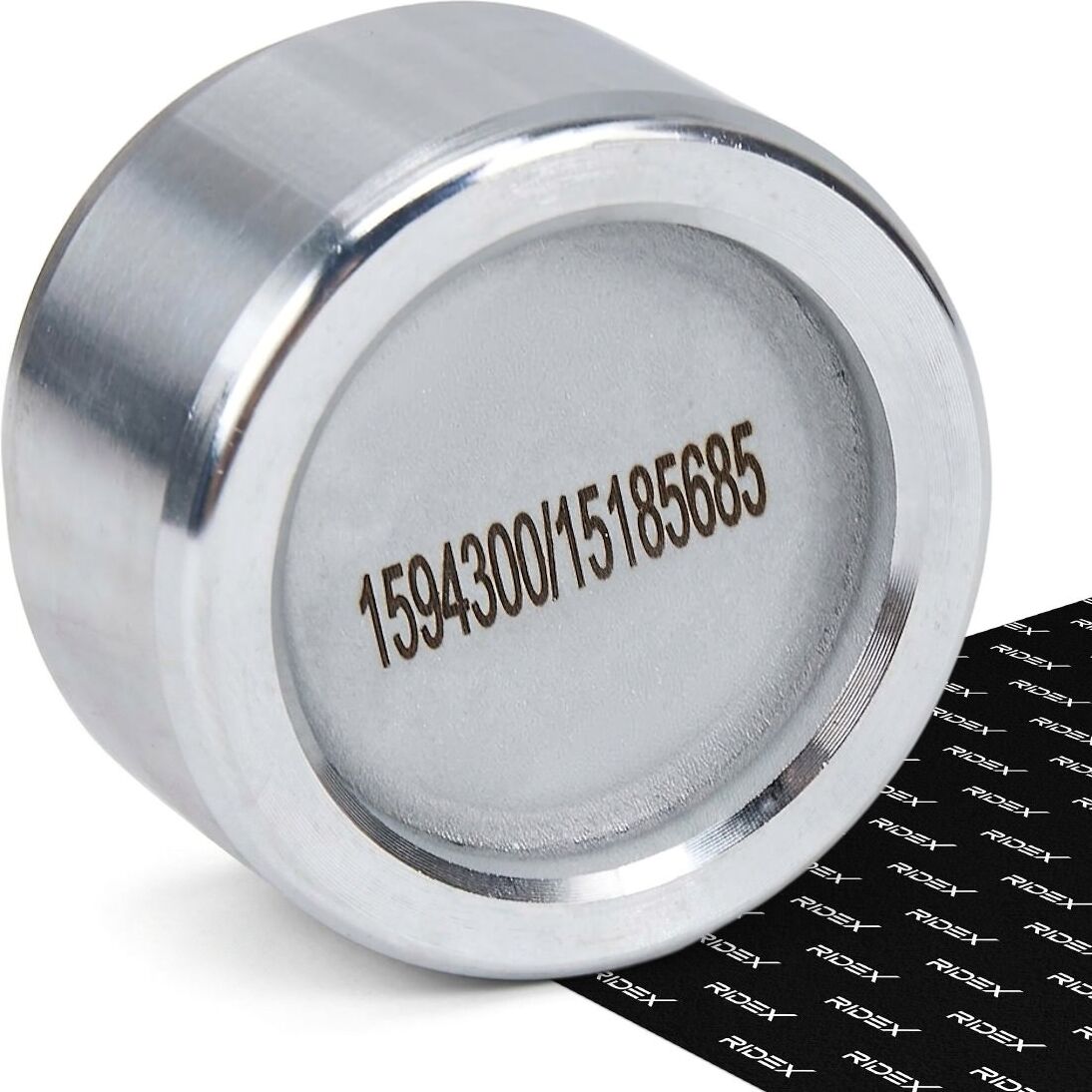
-
How do you calculate the piston area and piston diameter in a pneumatic cylinder?
To calculate the piston area in a pneumatic cylinder, you can use the formula A = πr^2, where A is the area and r is the radius of the piston. The radius can be calculated by dividing the piston diameter by 2. To find the piston diameter, you can use the formula D = 2r, where D is the diameter and r is the radius. By using these formulas, you can easily calculate the piston area and diameter in a pneumatic cylinder. **
-
What can happen in the piston?
In a piston, several things can happen. It can move up and down within the cylinder to compress the air-fuel mixture, creating the necessary conditions for combustion. The piston can also transfer the energy generated from the combustion process to the crankshaft, which then converts it into rotational motion. Additionally, the piston can experience wear and tear over time due to the high temperatures and pressures it is subjected to, which may lead to decreased engine performance if not properly maintained. **
-
Can't the piston be used?
Yes, the piston can be used in various mechanical systems such as engines, pumps, and compressors. It plays a crucial role in converting pressure into mechanical energy by moving back and forth within a cylinder. The piston's design and material composition are optimized for specific applications to ensure efficient operation and longevity. Overall, the piston is a versatile component that is widely utilized in many different industries. **
-
Is this a piston seizure?
Without more information or context, it is difficult to definitively determine if this is a piston seizure. Piston seizures can occur due to a variety of reasons such as overheating, lack of lubrication, or poor fuel quality. Symptoms of a piston seizure may include loss of power, engine stalling, or unusual noises. It is recommended to have a professional mechanic inspect the engine to accurately diagnose the issue. **
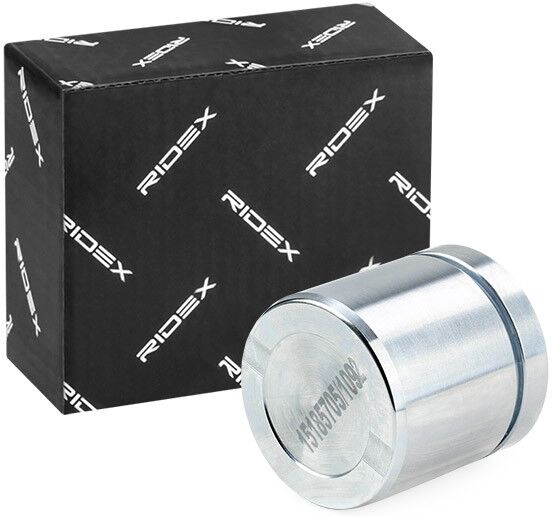

What is a piston seizure?
A piston seizure occurs when the piston in an engine becomes stuck or frozen within the cylinder. This can happen due to overheating, lack of lubrication, or a foreign object getting lodged in the cylinder. When a piston seizes, it can cause significant damage to the engine and may require a complete rebuild or replacement of the affected components. It is important to address the underlying cause of the seizure to prevent future damage to the engine. **
What probably happened, piston seizure?
Piston seizure likely occurred due to a lack of proper lubrication or cooling within the engine. This can cause the piston to become stuck within the cylinder, leading to overheating and potential damage to the piston and cylinder walls. It is important to regularly maintain and monitor the oil and cooling systems in order to prevent piston seizure from occurring. **
Top-Angebote
Products related to Piston:
-
How to calculate the piston area and piston diameter in a pneumatic cylinder?
To calculate the piston area in a pneumatic cylinder, you can use the formula: Area = π * (Diameter/2)^2, where Diameter is the diameter of the piston. To find the piston diameter, you can rearrange the formula to solve for Diameter: Diameter = 2 * √(Area/π). By knowing the piston area and applying these formulas, you can easily calculate the piston diameter in a pneumatic cylinder. **
-
What is piston seizure?
Piston seizure is a condition that occurs when the piston in an engine becomes stuck or frozen within the cylinder. This can happen due to overheating, lack of lubrication, or poor quality fuel. When piston seizure occurs, it can cause serious damage to the engine and may require extensive repairs or even a full engine replacement. It is important to address the underlying cause of piston seizure to prevent further damage to the engine. **
-
How do you calculate the piston area and piston diameter in a pneumatic cylinder?
To calculate the piston area in a pneumatic cylinder, you can use the formula A = πr^2, where A is the area and r is the radius of the piston. The radius can be calculated by dividing the piston diameter by 2. To find the piston diameter, you can use the formula D = 2r, where D is the diameter and r is the radius. By using these formulas, you can easily calculate the piston area and diameter in a pneumatic cylinder. **
-
What can happen in the piston?
In a piston, several things can happen. It can move up and down within the cylinder to compress the air-fuel mixture, creating the necessary conditions for combustion. The piston can also transfer the energy generated from the combustion process to the crankshaft, which then converts it into rotational motion. Additionally, the piston can experience wear and tear over time due to the high temperatures and pressures it is subjected to, which may lead to decreased engine performance if not properly maintained. **
Similar search terms for Piston
-
RIDEX 444P0028 Piston Ring KitCylinder Bore [mm]: 73,40; TecDoc Engine Number: 17476, 28262, 23855, 30249, 24542, 18228, 18552, 24905, 24371, 18012, 24373, 24372, 26215, 25753, 25431, 19350, 25529, 24743, 17475, 19349, 27099, 19903, 19887, 29663, 24747, 24906, 24752, 29771, 29662, 29778, 327635,99 £*Shipping: 8,45 £Secure redirect to the provider
-
Can't the piston be used?
Yes, the piston can be used in various mechanical systems such as engines, pumps, and compressors. It plays a crucial role in converting pressure into mechanical energy by moving back and forth within a cylinder. The piston's design and material composition are optimized for specific applications to ensure efficient operation and longevity. Overall, the piston is a versatile component that is widely utilized in many different industries. **
-
Is this a piston seizure?
Without more information or context, it is difficult to definitively determine if this is a piston seizure. Piston seizures can occur due to a variety of reasons such as overheating, lack of lubrication, or poor fuel quality. Symptoms of a piston seizure may include loss of power, engine stalling, or unusual noises. It is recommended to have a professional mechanic inspect the engine to accurately diagnose the issue. **
-
What is a piston seizure?
A piston seizure occurs when the piston in an engine becomes stuck or frozen within the cylinder. This can happen due to overheating, lack of lubrication, or a foreign object getting lodged in the cylinder. When a piston seizes, it can cause significant damage to the engine and may require a complete rebuild or replacement of the affected components. It is important to address the underlying cause of the seizure to prevent future damage to the engine. **
-
What probably happened, piston seizure?
Piston seizure likely occurred due to a lack of proper lubrication or cooling within the engine. This can cause the piston to become stuck within the cylinder, leading to overheating and potential damage to the piston and cylinder walls. It is important to regularly maintain and monitor the oil and cooling systems in order to prevent piston seizure from occurring. **
* All prices are inclusive of VAT and, if applicable, plus shipping costs. The offer information is based on the details provided by the respective shop and is updated through automated processes. Real-time updates do not occur, so deviations can occur in individual cases. ** Note: Parts of this content were created by AI.