Buy lootbox.eu ?
We are moving the project
lootbox.eu .
Are you interested in purchasing the domain
lootbox.eu ?
domain@kv-gmbh.de · 0541-91531010
Buy lootbox.eu ?
What is faster, SN1 or SN2?
SN2 reactions are generally faster than SN1 reactions. This is because SN2 reactions involve a single step where the nucleophile attacks the substrate at the same time the leaving group leaves, leading to a concerted mechanism. In contrast, SN1 reactions proceed through a two-step mechanism involving the formation of a carbocation intermediate, which can be a slower step. Additionally, the rate of SN2 reactions is dependent on the concentration of both the substrate and the nucleophile, while the rate of SN1 reactions is only dependent on the concentration of the substrate. **
Which reaction, SN1 or SN2, occurs in secondary halogen cycloalkanes?
In secondary halogen cycloalkanes, the SN1 reaction is more likely to occur. This is because the SN1 reaction involves a two-step process where the leaving group leaves first, forming a carbocation intermediate, and then the nucleophile attacks. The stability of the carbocation intermediate is important, and in secondary halogen cycloalkanes, the carbocation intermediate is more stable due to the presence of the neighboring alkyl groups. This makes the SN1 reaction more favorable in secondary halogen cycloalkanes compared to the SN2 reaction. **

Similar search terms for SN2
Top-Angebote
Products related to SN2:
-
Inspired Finds PartyBlast Russian Roulette Balloon Surprise Game Set random ColorTurn any gathering into a laughfilled challenge with the Russian Roulette balloon game set, an interactive party tabletop game that delivers suspense and fun with every turn. Perfect for birthdays, water parties, or casual hangouts, this novelty...34,99 $*Shipping: 0,00 $Secure redirect to the provider
-
ZWYO HOSIMU "32""H Three-Tiered Wooden Shelving Unit with Ornate Iron Frame , Farmhouse Rustic Style, for Collectibles and Household Items""Introducing our 32"" Three-Tiered White Wooden Shelving Unit, a charming piece that combines rustic farmhouse style with intricate craftsmanship."471,99 $*Shipping: 0,00 $Secure redirect to the provider




-
What is the question about the SN1 and SN2 reactions in chemistry?
The question about SN1 and SN2 reactions in chemistry typically revolves around the differences between these two types of nucleophilic substitution reactions. Students may be asked to compare the reaction mechanisms, the role of the solvent, the stereochemistry of the products, and the factors that influence the reaction rate. Additionally, they may be asked to predict the major products of a given reaction based on the reaction conditions and the nature of the substrate. **
-
Which type of nucleophilic substitution is known as SN1 or SN2?
The type of nucleophilic substitution known as SN1 or SN2 is SN1 (Substitution Nucleophilic Unimolecular) and SN2 (Substitution Nucleophilic Bimolecular). SN1 reactions proceed through a two-step mechanism involving the formation of a carbocation intermediate, while SN2 reactions occur in a single step with simultaneous bond formation and bond breaking. The choice between SN1 and SN2 mechanisms depends on factors such as the nature of the substrate, nucleophile, and solvent. **
-
Is the synthesis of 1-bromopropane in the laboratory an SN1 or SN2 mechanism?
The synthesis of 1-bromopropane in the laboratory typically follows an SN2 (nucleophilic substitution bimolecular) mechanism. In this mechanism, the nucleophile directly attacks the substrate, displacing the leaving group in a single step. This is favored for primary alkyl halides like 1-bromopropane due to the absence of steric hindrance. SN1 (nucleophilic substitution unimolecular) mechanisms are more common for tertiary alkyl halides where the carbocation intermediate is stabilized by surrounding alkyl groups. **
-
What is a tertiary and what is a primary substrate in SN1 and SN2 reactions?
In SN1 and SN2 reactions, a tertiary substrate is a molecule with a carbon atom bonded to three other carbon atoms, while a primary substrate is a molecule with a carbon atom bonded to only one other carbon atom. In SN1 reactions, the rate-determining step involves the formation of a carbocation intermediate, and tertiary substrates are more favorable because the resulting carbocation is more stable due to the presence of more alkyl groups. In contrast, in SN2 reactions, the nucleophile directly attacks the substrate, and primary substrates are more favorable because they have less steric hindrance, making it easier for the nucleophile to approach the carbon atom. **


How do you calculate the proportion of reactions following SN1 and SN2 mechanisms when 2-bromobutane reacts with hydroxide ions under specific reaction conditions, resulting in 40% following SN1 and 60% following SN2?
To calculate the proportion of reactions following SN1 and SN2 mechanisms when 2-bromobutane reacts with hydroxide ions, you can use the given percentages. If 40% of the reactions follow the SN1 mechanism, then 60% must follow the SN2 mechanism since the total percentage of reactions must equal 100%. Therefore, the proportion of reactions following the SN1 mechanism is 40% and the proportion following the SN2 mechanism is 60%. **
According to which mechanism do the two molecules react: SN1, SN2, E1, or E2?
The mechanism by which two molecules react depends on the specific reaction conditions and the nature of the reactants. If the reaction involves a nucleophile attacking a substrate and forming a carbocation intermediate, it is likely to proceed via an SN1 mechanism. On the other hand, if the reaction involves a nucleophile directly displacing a leaving group in a single step, it is more likely to proceed via an SN2 mechanism. E1 and E2 mechanisms involve the elimination of a leaving group to form a double bond, with E1 involving the formation of a carbocation intermediate and E2 occurring in a single step with the nucleophile acting as a base. **
Top-Angebote
Products related to SN2:
-
Inspired Finds Crocodile Chomp Surprise Dentist Game For Kids Crocodile Chomp Surprise Dentist Game For KidsTurn giggles and squeals into the highlight of playtime with this suspensefilled crocodile teeth toy. Kids take turns pressing the crocodiles teeth one by one, never knowing which sore tooth will make the jaws snap shut. Its a simple, fastpaced...34,99 $*Shipping: 0,00 $Secure redirect to the provider
-
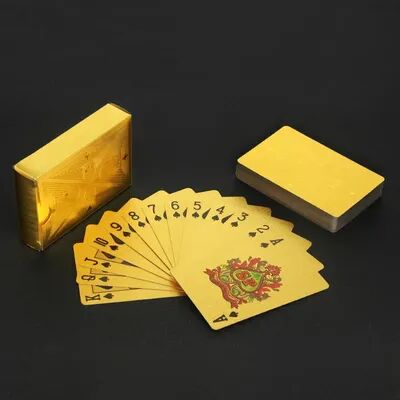
Inspire Daily Merch Waterproof Gold Foil Skull Poker Cards For Gambling Board Game PVC Plastic Magic Cards Flexible Washable Playing Cards Waterproof Gold Foil Skull Poker Cards For Gambling Board Game PVC Plastic Magic Cards Flexible Washable Playing CarUnleash Your Winning Hand with Gold Foil Skull Poker Cards Experience the thrill of the game with these Gold Foil Skull Poker Cards, a musthave for any poker enthusiast or board game lover. Crafted with waterproof PVC plastic, these magic cards are...49,97 $*Shipping: 0,00 $Secure redirect to the provider
-
Inspired Finds PartyBlast Russian Roulette Balloon Surprise Game Set random ColorTurn any gathering into a laughfilled challenge with the Russian Roulette balloon game set, an interactive party tabletop game that delivers suspense and fun with every turn. Perfect for birthdays, water parties, or casual hangouts, this novelty...34,99 $*Shipping: 0,00 $Secure redirect to the provider
-
What is faster, SN1 or SN2?
SN2 reactions are generally faster than SN1 reactions. This is because SN2 reactions involve a single step where the nucleophile attacks the substrate at the same time the leaving group leaves, leading to a concerted mechanism. In contrast, SN1 reactions proceed through a two-step mechanism involving the formation of a carbocation intermediate, which can be a slower step. Additionally, the rate of SN2 reactions is dependent on the concentration of both the substrate and the nucleophile, while the rate of SN1 reactions is only dependent on the concentration of the substrate. **
-
Which reaction, SN1 or SN2, occurs in secondary halogen cycloalkanes?
In secondary halogen cycloalkanes, the SN1 reaction is more likely to occur. This is because the SN1 reaction involves a two-step process where the leaving group leaves first, forming a carbocation intermediate, and then the nucleophile attacks. The stability of the carbocation intermediate is important, and in secondary halogen cycloalkanes, the carbocation intermediate is more stable due to the presence of the neighboring alkyl groups. This makes the SN1 reaction more favorable in secondary halogen cycloalkanes compared to the SN2 reaction. **
-
What is the question about the SN1 and SN2 reactions in chemistry?
The question about SN1 and SN2 reactions in chemistry typically revolves around the differences between these two types of nucleophilic substitution reactions. Students may be asked to compare the reaction mechanisms, the role of the solvent, the stereochemistry of the products, and the factors that influence the reaction rate. Additionally, they may be asked to predict the major products of a given reaction based on the reaction conditions and the nature of the substrate. **
-
Which type of nucleophilic substitution is known as SN1 or SN2?
The type of nucleophilic substitution known as SN1 or SN2 is SN1 (Substitution Nucleophilic Unimolecular) and SN2 (Substitution Nucleophilic Bimolecular). SN1 reactions proceed through a two-step mechanism involving the formation of a carbocation intermediate, while SN2 reactions occur in a single step with simultaneous bond formation and bond breaking. The choice between SN1 and SN2 mechanisms depends on factors such as the nature of the substrate, nucleophile, and solvent. **
Similar search terms for SN2
-
ZWYO HOSIMU "32""H Three-Tiered Wooden Shelving Unit with Ornate Iron Frame , Farmhouse Rustic Style, for Collectibles and Household Items""Introducing our 32"" Three-Tiered White Wooden Shelving Unit, a charming piece that combines rustic farmhouse style with intricate craftsmanship."471,99 $*Shipping: 0,00 $Secure redirect to the provider
-
Anker Member Gift Card RewardsWide Variety: Choose from a range of designs to find a gift card for any occasion. Convenient and Fast: After placing an order, gift cards can be sent to relatives and friends immediately by email. Easy to Use: Just use the gift card code at...20,00 $*Shipping: 0,00 $Secure redirect to the provider
-
Is the synthesis of 1-bromopropane in the laboratory an SN1 or SN2 mechanism?
The synthesis of 1-bromopropane in the laboratory typically follows an SN2 (nucleophilic substitution bimolecular) mechanism. In this mechanism, the nucleophile directly attacks the substrate, displacing the leaving group in a single step. This is favored for primary alkyl halides like 1-bromopropane due to the absence of steric hindrance. SN1 (nucleophilic substitution unimolecular) mechanisms are more common for tertiary alkyl halides where the carbocation intermediate is stabilized by surrounding alkyl groups. **
-
What is a tertiary and what is a primary substrate in SN1 and SN2 reactions?
In SN1 and SN2 reactions, a tertiary substrate is a molecule with a carbon atom bonded to three other carbon atoms, while a primary substrate is a molecule with a carbon atom bonded to only one other carbon atom. In SN1 reactions, the rate-determining step involves the formation of a carbocation intermediate, and tertiary substrates are more favorable because the resulting carbocation is more stable due to the presence of more alkyl groups. In contrast, in SN2 reactions, the nucleophile directly attacks the substrate, and primary substrates are more favorable because they have less steric hindrance, making it easier for the nucleophile to approach the carbon atom. **
-
How do you calculate the proportion of reactions following SN1 and SN2 mechanisms when 2-bromobutane reacts with hydroxide ions under specific reaction conditions, resulting in 40% following SN1 and 60% following SN2?
To calculate the proportion of reactions following SN1 and SN2 mechanisms when 2-bromobutane reacts with hydroxide ions, you can use the given percentages. If 40% of the reactions follow the SN1 mechanism, then 60% must follow the SN2 mechanism since the total percentage of reactions must equal 100%. Therefore, the proportion of reactions following the SN1 mechanism is 40% and the proportion following the SN2 mechanism is 60%. **
-
According to which mechanism do the two molecules react: SN1, SN2, E1, or E2?
The mechanism by which two molecules react depends on the specific reaction conditions and the nature of the reactants. If the reaction involves a nucleophile attacking a substrate and forming a carbocation intermediate, it is likely to proceed via an SN1 mechanism. On the other hand, if the reaction involves a nucleophile directly displacing a leaving group in a single step, it is more likely to proceed via an SN2 mechanism. E1 and E2 mechanisms involve the elimination of a leaving group to form a double bond, with E1 involving the formation of a carbocation intermediate and E2 occurring in a single step with the nucleophile acting as a base. **
* All prices are inclusive of VAT and, if applicable, plus shipping costs. The offer information is based on the details provided by the respective shop and is updated through automated processes. Real-time updates do not occur, so deviations can occur in individual cases. ** Note: Parts of this content were created by AI.