Buy lootbox.eu ?
We are moving the project
lootbox.eu .
Are you interested in purchasing the domain
lootbox.eu ?
domain@kv-gmbh.de · 0541-91531010
Buy lootbox.eu ?
What are other national mobile networks?
Some other national mobile networks include Verizon, T-Mobile, and AT&T in the United States, Vodafone and O2 in the United Kingdom, Telstra and Optus in Australia, and China Mobile and China Unicom in China. These networks provide a range of mobile services including voice calls, text messaging, and data plans to their customers. Each network may have different coverage areas, pricing plans, and service offerings, so customers may choose a network based on their specific needs and preferences. **
Who is familiar with DHCP in mobile networks?
Network administrators, mobile network engineers, and IT professionals who work with mobile networks are familiar with DHCP (Dynamic Host Configuration Protocol) in mobile networks. DHCP is used to automatically assign IP addresses and other network configuration parameters to devices in a network, including mobile devices. Understanding DHCP in mobile networks is important for ensuring efficient and reliable network connectivity for mobile users. **


Similar search terms for Teltonika-Networks-PR1AS420-Mobile
Top-Angebote
Products related to Teltonika-Networks-PR1AS420-Mobile:


-
Could mobile phone networks be installed underground?
Yes, mobile phone networks could be installed underground. However, there are several challenges to consider, such as the need for extensive infrastructure and cabling, potential signal interference from the surrounding environment, and the cost of installation and maintenance. Additionally, the underground environment may also affect the propagation of radio waves, which could impact the quality and reliability of the network. Despite these challenges, with the right technology and investment, it is possible to install mobile phone networks underground to provide coverage in areas such as subway systems, tunnels, and underground facilities. **
-
Which countries still maintain GSM 2G mobile networks?
As of 2021, many countries still maintain GSM 2G mobile networks, including the United States, Canada, Australia, and various countries in Europe, Asia, and Africa. While many countries have transitioned to newer technologies like 3G, 4G, and 5G, 2G networks are still in use in some regions, particularly in rural or remote areas where infrastructure upgrades may be slower to roll out. Additionally, 2G networks are often used for machine-to-machine communication and Internet of Things (IoT) devices. **
-
Does a mobile provider block certain networks abroad?
Yes, some mobile providers may block certain networks abroad in order to control roaming costs and ensure network security. This is often done to prevent customers from connecting to expensive or unreliable networks while traveling. However, many mobile providers also offer international roaming services that allow customers to access partner networks abroad for a fee. It's important for customers to check with their mobile provider to understand their specific roaming policies and options when traveling internationally. **
-
Which mobile networks do Luxembourgers and Andorrans use?
Luxembourgers primarily use the mobile networks operated by POST Luxembourg, Orange, and Tango. These networks provide coverage throughout the country and offer a range of mobile plans and services to their customers. Andorrans primarily use the mobile networks operated by Andorra Telecom and Orange. These networks provide coverage throughout the Principality of Andorra and offer a variety of mobile plans and services to their customers. **

Is mobile internet safer than public Wi-Fi networks?
Mobile internet can be considered safer than public Wi-Fi networks because it typically uses encryption to protect data transmission. When using mobile internet, the data is transmitted through the cellular network, which is generally more secure than public Wi-Fi networks. Public Wi-Fi networks, on the other hand, are more susceptible to security threats such as hacking and eavesdropping, making them less secure for transmitting sensitive information. However, it is still important to take precautions when using mobile internet, such as using secure websites and avoiding unsecured public Wi-Fi networks. **
Who has to pay for call forwarding in landline and mobile networks?
In both landline and mobile networks, the person initiating the call forwarding service is typically the one responsible for paying for it. This means that the individual who sets up call forwarding on their phone will be charged for any associated fees or usage costs. However, some mobile carriers may offer call forwarding as part of a package or plan, in which case the cost may be included in the overall service fee. **
Top-Angebote
Products related to Teltonika-Networks-PR1AS420-Mobile:
-
What are other national mobile networks?
Some other national mobile networks include Verizon, T-Mobile, and AT&T in the United States, Vodafone and O2 in the United Kingdom, Telstra and Optus in Australia, and China Mobile and China Unicom in China. These networks provide a range of mobile services including voice calls, text messaging, and data plans to their customers. Each network may have different coverage areas, pricing plans, and service offerings, so customers may choose a network based on their specific needs and preferences. **
-
Who is familiar with DHCP in mobile networks?
Network administrators, mobile network engineers, and IT professionals who work with mobile networks are familiar with DHCP (Dynamic Host Configuration Protocol) in mobile networks. DHCP is used to automatically assign IP addresses and other network configuration parameters to devices in a network, including mobile devices. Understanding DHCP in mobile networks is important for ensuring efficient and reliable network connectivity for mobile users. **
-
Could mobile phone networks be installed underground?
Yes, mobile phone networks could be installed underground. However, there are several challenges to consider, such as the need for extensive infrastructure and cabling, potential signal interference from the surrounding environment, and the cost of installation and maintenance. Additionally, the underground environment may also affect the propagation of radio waves, which could impact the quality and reliability of the network. Despite these challenges, with the right technology and investment, it is possible to install mobile phone networks underground to provide coverage in areas such as subway systems, tunnels, and underground facilities. **
-
Which countries still maintain GSM 2G mobile networks?
As of 2021, many countries still maintain GSM 2G mobile networks, including the United States, Canada, Australia, and various countries in Europe, Asia, and Africa. While many countries have transitioned to newer technologies like 3G, 4G, and 5G, 2G networks are still in use in some regions, particularly in rural or remote areas where infrastructure upgrades may be slower to roll out. Additionally, 2G networks are often used for machine-to-machine communication and Internet of Things (IoT) devices. **
Similar search terms for Teltonika-Networks-PR1AS420-Mobile
-
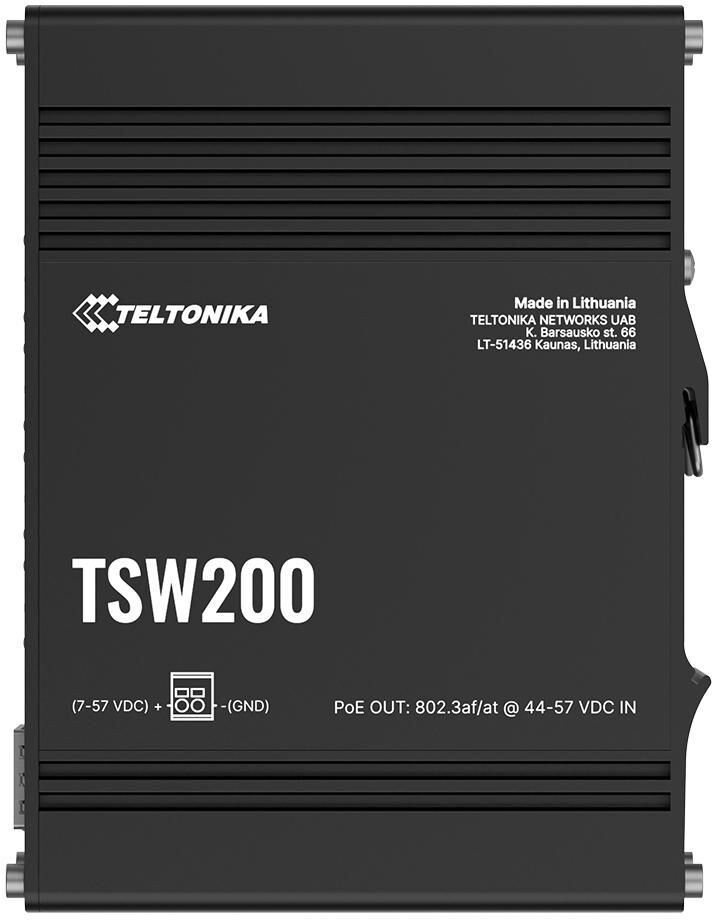
Teltonika Networks Teltonika TSW200 8-Port Industrial PoE+ Switch with 2x SFP (No PSU)Teltonika Networks TSW200 industrial unmanaged Gigabit switch with 8 PoE+ ports and 2 SFP ports for fibre uplinks. Supplied without a power supply, with DIN-rail mounting.117,49 £*Shipping: 0,00 £Secure redirect to the provider
-
Does a mobile provider block certain networks abroad?
Yes, some mobile providers may block certain networks abroad in order to control roaming costs and ensure network security. This is often done to prevent customers from connecting to expensive or unreliable networks while traveling. However, many mobile providers also offer international roaming services that allow customers to access partner networks abroad for a fee. It's important for customers to check with their mobile provider to understand their specific roaming policies and options when traveling internationally. **
-
Which mobile networks do Luxembourgers and Andorrans use?
Luxembourgers primarily use the mobile networks operated by POST Luxembourg, Orange, and Tango. These networks provide coverage throughout the country and offer a range of mobile plans and services to their customers. Andorrans primarily use the mobile networks operated by Andorra Telecom and Orange. These networks provide coverage throughout the Principality of Andorra and offer a variety of mobile plans and services to their customers. **
-
Is mobile internet safer than public Wi-Fi networks?
Mobile internet can be considered safer than public Wi-Fi networks because it typically uses encryption to protect data transmission. When using mobile internet, the data is transmitted through the cellular network, which is generally more secure than public Wi-Fi networks. Public Wi-Fi networks, on the other hand, are more susceptible to security threats such as hacking and eavesdropping, making them less secure for transmitting sensitive information. However, it is still important to take precautions when using mobile internet, such as using secure websites and avoiding unsecured public Wi-Fi networks. **
-
Who has to pay for call forwarding in landline and mobile networks?
In both landline and mobile networks, the person initiating the call forwarding service is typically the one responsible for paying for it. This means that the individual who sets up call forwarding on their phone will be charged for any associated fees or usage costs. However, some mobile carriers may offer call forwarding as part of a package or plan, in which case the cost may be included in the overall service fee. **
* All prices are inclusive of VAT and, if applicable, plus shipping costs. The offer information is based on the details provided by the respective shop and is updated through automated processes. Real-time updates do not occur, so deviations can occur in individual cases. ** Note: Parts of this content were created by AI.