Buy lootbox.eu ?
We are moving the project
lootbox.eu .
Are you interested in purchasing the domain
lootbox.eu ?
domain@kv-gmbh.de · 0541-91531010
Buy lootbox.eu ?
What are demonstrative pronouns and relative pronouns?
Demonstrative pronouns are pronouns that are used to point to specific things or people. Examples of demonstrative pronouns include "this," "that," "these," and "those." Relative pronouns are pronouns that introduce dependent clauses and connect them to independent clauses. Examples of relative pronouns include "who," "whom," "whose," "which," and "that." **
Why are demonstrative pronouns called demonstrative pronouns?
Demonstrative pronouns are called demonstrative because they demonstrate or point to a specific noun or pronoun in a sentence. They help to indicate the position or location of the noun or pronoun in relation to the speaker or listener. By using demonstrative pronouns such as "this," "that," "these," and "those," speakers can make their communication more precise and clear by specifying which person, place, thing, or idea they are referring to. **
Similar search terms for Pronouns
Top-Angebote
Products related to Pronouns:
-
Inspired Finds PartyBlast Russian Roulette Balloon Surprise Game Set random ColorTurn any gathering into a laughfilled challenge with the Russian Roulette balloon game set, an interactive party tabletop game that delivers suspense and fun with every turn. Perfect for birthdays, water parties, or casual hangouts, this novelty...34,99 $*Shipping: 0,00 $Secure redirect to the provider
-
ZWYO HOSIMU "32""H Three-Tiered Wooden Shelving Unit with Ornate Iron Frame , Farmhouse Rustic Style, for Collectibles and Household Items""Introducing our 32"" Three-Tiered White Wooden Shelving Unit, a charming piece that combines rustic farmhouse style with intricate craftsmanship."471,99 $*Shipping: 0,00 $Secure redirect to the provider



-
With which pronouns do many people confuse reflexive pronouns?
Many people confuse reflexive pronouns with personal pronouns. For example, they may use "myself" or "yourself" instead of "me" or "you" in a sentence. This confusion often occurs when people are trying to emphasize the subject of the sentence, but they mistakenly use a reflexive pronoun instead of a personal pronoun. It's important to understand the difference between reflexive and personal pronouns in order to use them correctly in sentences. **
-
Could you please introduce game characters using pronouns?
Yes, I can introduce game characters using pronouns. For example, in the game "The Legend of Zelda: Breath of the Wild," the main character Link can be referred to as "he" or "him." Similarly, in the game "Tomb Raider," the protagonist Lara Croft can be referred to as "she" or "her." Using pronouns to refer to game characters is a common and effective way to quickly identify and discuss them. **
-
What are pronouns?
Pronouns are words that are used in place of nouns to avoid repetition in a sentence. They can refer to people, places, things, or ideas. Pronouns help make sentences clearer and more concise by replacing specific nouns with general words like "he," "she," "it," "they," and "we." Using pronouns also helps to maintain the flow of writing and make it more engaging for the reader. **
-
What are the indirect object pronouns and direct object pronouns in Spanish?
Indirect object pronouns in Spanish are used to replace the indirect object of a sentence, typically referring to the person who receives the action of the verb. They include me, te, le, nos, os, and les. Direct object pronouns, on the other hand, replace the direct object of a sentence, which is the noun that directly receives the action of the verb. They include me, te, lo/la, nos, os, and los/las. Both types of pronouns are used to avoid repetition and make sentences more concise. **


Which pronouns exist in German?
In German, there are three main types of pronouns: personal pronouns (ich, du, er/sie/es, wir, ihr, sie), possessive pronouns (mein, dein, sein/ihr/sein, unser, euer, ihr), and demonstrative pronouns (dieser, jener, der, die, das). Additionally, there are also relative pronouns (der, die, das, welcher, welche, welches) and interrogative pronouns (wer, was, welcher, welche, welches) in the language. Each type of pronoun serves a specific grammatical function in German sentences. **
Which pronouns do many people often confuse with reflexive pronouns?
Many people often confuse reflexive pronouns with intensive pronouns. Intensive pronouns are used to emphasize a preceding noun or pronoun, while reflexive pronouns are used when the subject and object of a sentence are the same. For example, "I myself will do it" uses an intensive pronoun, while "I hurt myself" uses a reflexive pronoun. It is important to understand the distinction between these two types of pronouns to use them correctly in sentences. **
Top-Angebote
Products related to Pronouns:
-
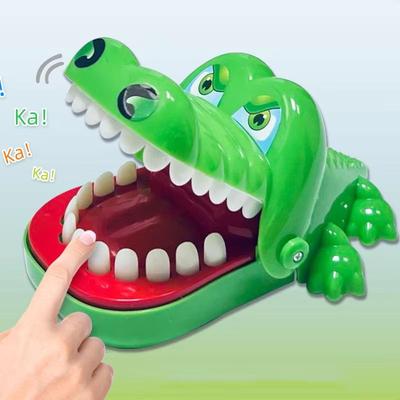
Inspired Finds Crocodile Chomp Surprise Dentist Game For Kids Crocodile Chomp Surprise Dentist Game For KidsTurn giggles and squeals into the highlight of playtime with this suspensefilled crocodile teeth toy. Kids take turns pressing the crocodiles teeth one by one, never knowing which sore tooth will make the jaws snap shut. Its a simple, fastpaced...34,99 $*Shipping: 0,00 $Secure redirect to the provider
-
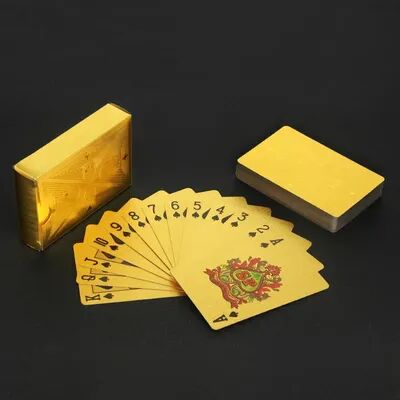
Inspire Daily Merch Waterproof Gold Foil Skull Poker Cards For Gambling Board Game PVC Plastic Magic Cards Flexible Washable Playing Cards Waterproof Gold Foil Skull Poker Cards For Gambling Board Game PVC Plastic Magic Cards Flexible Washable Playing CarUnleash Your Winning Hand with Gold Foil Skull Poker Cards Experience the thrill of the game with these Gold Foil Skull Poker Cards, a musthave for any poker enthusiast or board game lover. Crafted with waterproof PVC plastic, these magic cards are...49,97 $*Shipping: 0,00 $Secure redirect to the provider
-
Inspired Finds PartyBlast Russian Roulette Balloon Surprise Game Set random ColorTurn any gathering into a laughfilled challenge with the Russian Roulette balloon game set, an interactive party tabletop game that delivers suspense and fun with every turn. Perfect for birthdays, water parties, or casual hangouts, this novelty...34,99 $*Shipping: 0,00 $Secure redirect to the provider
-
ZWYO HOSIMU "32""H Three-Tiered Wooden Shelving Unit with Ornate Iron Frame , Farmhouse Rustic Style, for Collectibles and Household Items""Introducing our 32"" Three-Tiered White Wooden Shelving Unit, a charming piece that combines rustic farmhouse style with intricate craftsmanship."471,99 $*Shipping: 0,00 $Secure redirect to the provider
-
What are demonstrative pronouns and relative pronouns?
Demonstrative pronouns are pronouns that are used to point to specific things or people. Examples of demonstrative pronouns include "this," "that," "these," and "those." Relative pronouns are pronouns that introduce dependent clauses and connect them to independent clauses. Examples of relative pronouns include "who," "whom," "whose," "which," and "that." **
-
Why are demonstrative pronouns called demonstrative pronouns?
Demonstrative pronouns are called demonstrative because they demonstrate or point to a specific noun or pronoun in a sentence. They help to indicate the position or location of the noun or pronoun in relation to the speaker or listener. By using demonstrative pronouns such as "this," "that," "these," and "those," speakers can make their communication more precise and clear by specifying which person, place, thing, or idea they are referring to. **
-
With which pronouns do many people confuse reflexive pronouns?
Many people confuse reflexive pronouns with personal pronouns. For example, they may use "myself" or "yourself" instead of "me" or "you" in a sentence. This confusion often occurs when people are trying to emphasize the subject of the sentence, but they mistakenly use a reflexive pronoun instead of a personal pronoun. It's important to understand the difference between reflexive and personal pronouns in order to use them correctly in sentences. **
-
Could you please introduce game characters using pronouns?
Yes, I can introduce game characters using pronouns. For example, in the game "The Legend of Zelda: Breath of the Wild," the main character Link can be referred to as "he" or "him." Similarly, in the game "Tomb Raider," the protagonist Lara Croft can be referred to as "she" or "her." Using pronouns to refer to game characters is a common and effective way to quickly identify and discuss them. **
Similar search terms for Pronouns
-
Anker Member Gift Card RewardsWide Variety: Choose from a range of designs to find a gift card for any occasion. Convenient and Fast: After placing an order, gift cards can be sent to relatives and friends immediately by email. Easy to Use: Just use the gift card code at...20,00 $*Shipping: 0,00 $Secure redirect to the provider
-
What are pronouns?
Pronouns are words that are used in place of nouns to avoid repetition in a sentence. They can refer to people, places, things, or ideas. Pronouns help make sentences clearer and more concise by replacing specific nouns with general words like "he," "she," "it," "they," and "we." Using pronouns also helps to maintain the flow of writing and make it more engaging for the reader. **
-
What are the indirect object pronouns and direct object pronouns in Spanish?
Indirect object pronouns in Spanish are used to replace the indirect object of a sentence, typically referring to the person who receives the action of the verb. They include me, te, le, nos, os, and les. Direct object pronouns, on the other hand, replace the direct object of a sentence, which is the noun that directly receives the action of the verb. They include me, te, lo/la, nos, os, and los/las. Both types of pronouns are used to avoid repetition and make sentences more concise. **
-
Which pronouns exist in German?
In German, there are three main types of pronouns: personal pronouns (ich, du, er/sie/es, wir, ihr, sie), possessive pronouns (mein, dein, sein/ihr/sein, unser, euer, ihr), and demonstrative pronouns (dieser, jener, der, die, das). Additionally, there are also relative pronouns (der, die, das, welcher, welche, welches) and interrogative pronouns (wer, was, welcher, welche, welches) in the language. Each type of pronoun serves a specific grammatical function in German sentences. **
-
Which pronouns do many people often confuse with reflexive pronouns?
Many people often confuse reflexive pronouns with intensive pronouns. Intensive pronouns are used to emphasize a preceding noun or pronoun, while reflexive pronouns are used when the subject and object of a sentence are the same. For example, "I myself will do it" uses an intensive pronoun, while "I hurt myself" uses a reflexive pronoun. It is important to understand the distinction between these two types of pronouns to use them correctly in sentences. **
* All prices are inclusive of VAT and, if applicable, plus shipping costs. The offer information is based on the details provided by the respective shop and is updated through automated processes. Real-time updates do not occur, so deviations can occur in individual cases. ** Note: Parts of this content were created by AI.